
DbcultAccessing Vault...
Director's Spotlight
Senior Film Conservator
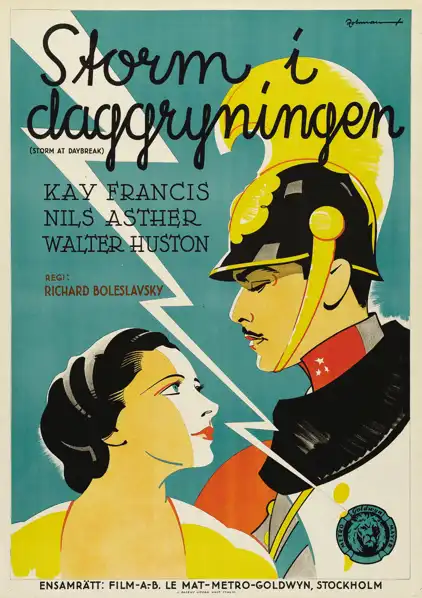
Director's Spotlight: United States
A Deep Dive into the 1933 Vision of Richard Boleslawski
Deciphering the layers of Storm at Daybreak (1933) reveals the complex thematic architecture established by Richard Boleslawski. Utilizing a 1933-specific aesthetic that remains timeless, it stands as the definitive 1933 statement on Romance identity.
In Storm at Daybreak, Richard Boleslawski pushes the boundaries of conventional narrative. The film's unique approach to its subject matter has sparked endless debates and interpretations among cinephiles and critics alike.
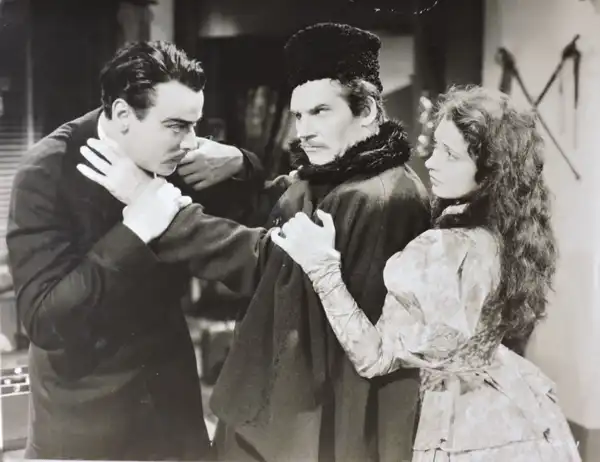
The visual language of Storm at Daybreak is defined by its use of shadows and framing, a hallmark of Richard Boleslawski's style. By utilizing a 1933-era palette, the film creates an immersive experience that perfectly complements its Romance themes.
| Cinematography | Noir-Inspired |
| Soundtrack | Orchestral |
| Editing | Invisible |
| Art Direction | Kitsch |
Visualizing the convergence of Richard Boleslawski's style and the core Romance narrative.
Sarajevo June 28, 1914. Dushan, the Serbian mayor of a Hungarian town, has come to see the parade of Archduke Ferdinand. While there he runs into Geza, an old friend in the Hungarian Army and invites him to come to his house and visit him and his new wife. Tensions between the Serbs and the Hungarians in the Austro-Hungarian Empire reach their boiling point when a Serb assassinates the Archduke and war breaks out. Dushan returns home desperately trying to keep the Serbs in his town loyal to Austro-Hungary while protecting his people from the suspicious Hungarian army. His new wife Irina sides with the Serbs and hides deserters in the barn. Geza arrives to search the premises. Dushan gives his word there are no deserters at his home but afterwards his wife tells him the truth and talks him into using his servant Panto to help the deserters escape while she distracts Geza by flirting with him. Geza sees through her ruse but lets the deserters escape because he is beginning to fall in love with Irina and she with him. After the war, the city falls under Serbian control and Panto becomes the head of the police. He pursues Geza just as Dushan begins to suspect that his wife and Geza are lovers.
Decades after its release, Storm at Daybreak remains a vital piece of the cinematic puzzle. Its influence can be seen in countless modern works, solidifying Richard Boleslawski's status as a master of the craft in United States and beyond.