
DbcultAccessing Vault...
Director's Spotlight
Senior Film Conservator
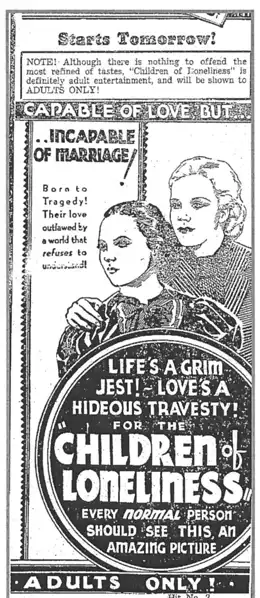
Director's Spotlight: United States
A Deep Dive into the 1934 Vision of Richard C. Kahn
The 1934 release of The Third Sex marked a significant moment for the enduring legacy of Richard C. Kahn's artistic contribution to the genre. By challenging the status quo of 1934 cinema, it has cemented its place in the global cult cinema archive.
In The Third Sex, Richard C. Kahn pushes the boundaries of conventional narrative. The film's unique approach to its subject matter has sparked endless debates and interpretations among cinephiles and critics alike.
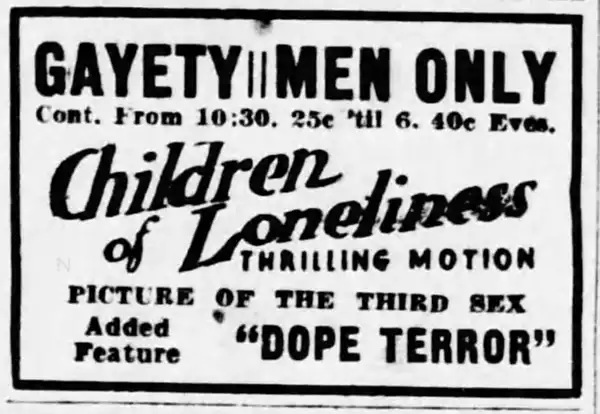
The visual language of The Third Sex is defined by its use of shadows and framing, a hallmark of Richard C. Kahn's style. By utilizing a 1934-era palette, the film creates an immersive experience that perfectly complements its Horror themes.
| Cinematography | Static |
| Soundtrack | Minimalist |
| Editing | Disjunctive |
| Art Direction | Baroque |
Visualizing the convergence of Richard C. Kahn's style and the core Horror narrative.
An exploitation film about homosexuality. The film is believed to be lost. Elinor Gordon, who was frightened sexually by a man while an infant, confides in her psychoanalyst that she is contemplating yielding to the advances of her overly attentive and affectionate female roommate, Bobby Allen. The psychoanalyst advises the woman to dispossess her roommate, who works in the same law office as she, and to marry a football player. After the young woman rebuffs her roommate, she accompanies her lawyer employer, Dave Warren, to the country home of the firm's senior partner, John Grant. While Elinor falls in love with Dave, the senior partner's socialite daughter, Judy, yearns for Paul, an artist, who, unknown to her, is a homosexual.
Decades after its release, The Third Sex remains a vital piece of the cinematic puzzle. Its influence can be seen in countless modern works, solidifying Richard C. Kahn's status as a master of the craft in United States and beyond.