
DbcultAccessing Vault...
Director's Spotlight
Senior Film Conservator
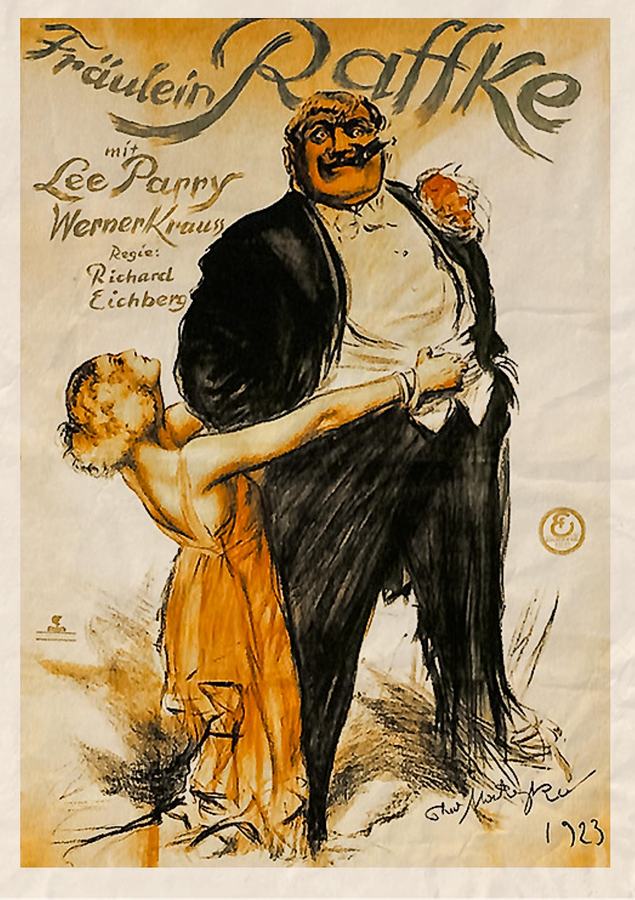
Director's Spotlight: Germany
A Deep Dive into the 1923 Vision of Richard Eichberg
As a cultural artifact of the 1923s, Fräulein Raffke provides the visionary mind of its creator, Richard Eichberg. With its avant-garde structure and atmospheric tension, it redefined what audiences could expect from a cult experience.
In Fräulein Raffke, Richard Eichberg pushes the boundaries of conventional narrative. The film's unique approach to its subject matter has sparked endless debates and interpretations among cinephiles and critics alike.
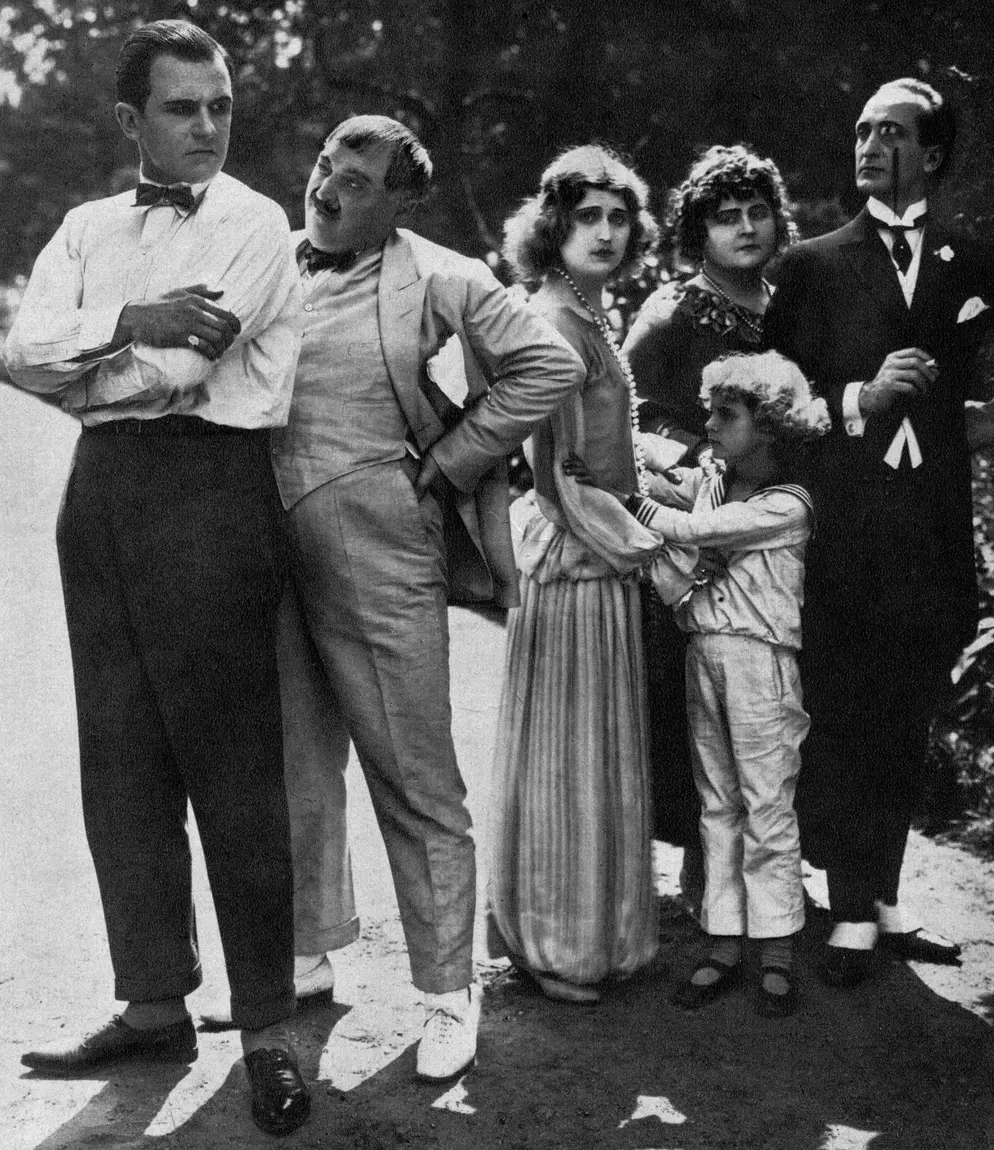
The visual language of Fräulein Raffke is defined by its use of shadows and framing, a hallmark of Richard Eichberg's style. By utilizing a 1923-era palette, the film creates an immersive experience that perfectly complements its cult themes.
| Cinematography | Noir-Inspired |
| Soundtrack | Diegetic |
| Editing | Rhythmic |
| Art Direction | Naturalist |
Visualizing the convergence of Richard Eichberg's style and the core cult narrative.
Emil Raffke (Werner Krauss) is a newly rich industrialist who arrogantly revels in his wealth. While at the seaside with his family, Raffke and his daughter Lilli (Lee Parry) attract the attention of the young Baron Von Geldern (Hans Albers) who is in a relationship with a dancer who has helped him out of the lurch financially. But Von Geldern is interested in Raffke's money, while Raffke sees a chance of entering into nobility when marrying off his daughter to the baron. But Lilli has already secretly married another young man, which leads to a break-up of the family and to increasingly dramatic events.
Decades after its release, Fräulein Raffke remains a vital piece of the cinematic puzzle. Its influence can be seen in countless modern works, solidifying Richard Eichberg's status as a master of the craft in Germany and beyond.