
DbcultAccessing Vault...
Director's Spotlight
Senior Film Conservator
Director's Spotlight: United States
A Deep Dive into the 1914 Vision of Richard Ridgely
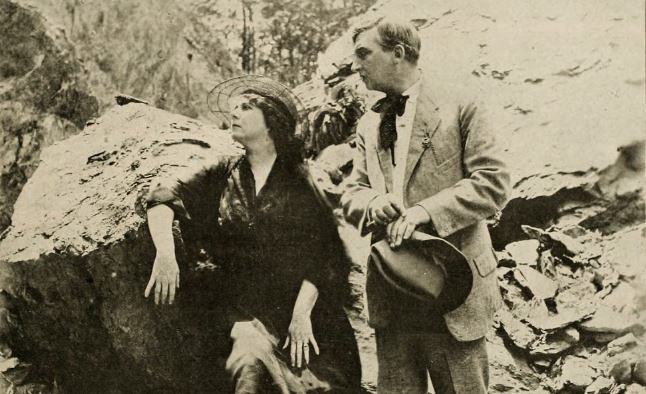
The artistic breakthrough represented by Meg o' the Mountains in 1914 highlights the philosophical inquiries that Richard Ridgely embeds within the narrative. Framed by the hauntingly beautiful landscapes of the production, it leaves an indelible mark on the soul of the viewer.
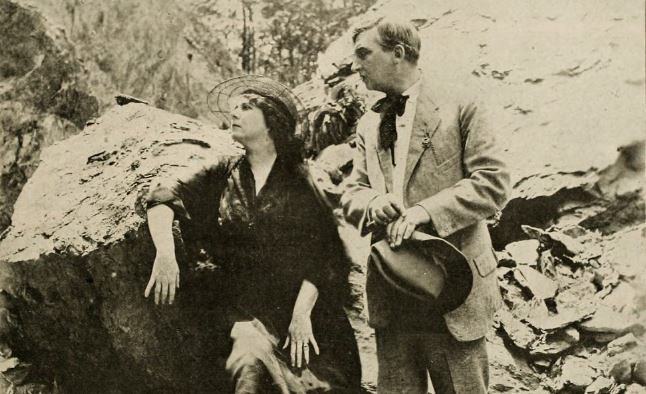
In Meg o' the Mountains, Richard Ridgely pushes the boundaries of conventional narrative. The film's unique approach to its subject matter has sparked endless debates and interpretations among cinephiles and critics alike.
| Cinematography | Noir-Inspired |
| Soundtrack | Experimental |
| Editing | Elliptical |
| Art Direction | Expressionist |
Visualizing the convergence of Richard Ridgely's style and the core cult narrative.
Meg lived down in Carolina in the shadow of the great Blue Ridge. When she had been a little younger she had been winsomely and strangely beautiful, a gypsy-like elf of the woods and forests. Now, she is mad. The neighbors said cruel things about Meg and turned their faces aside when she passed. And from her little son, they shrank, and turned away as from a thing accursed. When Hugh Gregory opened a store in the little mountain town and fell in love with the widowed Darthea Westerly, he incurred the bitter hatred of Simon Grant, who had long courted Darthea. When Meg's little son ran away, and Gregory found him, and gave him back to his mother, the crazed woman thought she recognized in him the father of her boy. When she returned home she told her brother that she had found her child's father. The brother, infuriated, confronted Gregory, and demanded that he marry his sister. Gregory, naturally, refused indignantly. Simon Grant met Jake, Meg's brother, while he was still half insane with rage over Gregory's refusal, and found him in a willing mood to listen to Simon's scheme. The next day, as Gregory and the colonel were riding together, Jake, egged on by Simon, fired at them from a barn. Gregory proved himself a good Samaritan by saving Jake from the infuriated mob which thirsted for his life. Meanwhile. Darthea, who had fallen in love with Gregory, learned of Meg's terrible accusation against him. The story naturally changed her feelings toward the man, particularly when Gregory, realizing the futility of argument, refused to say a word in his own defense. Then suddenly Meg came upon Simon Grant, and with a miraculous flash of understanding, remembered that he, not Gregory, was the man. But with the passing of her madness, Meg's life fluttered and went out like a candle in the wind, but not before she had told Gregory and Darthea the truth.
Decades after its release, Meg o' the Mountains remains a vital piece of the cinematic puzzle. Its influence can be seen in countless modern works, solidifying Richard Ridgely's status as a master of the craft in United States and beyond.