
DbcultAccessing Vault...
Director's Spotlight
Senior Film Conservator
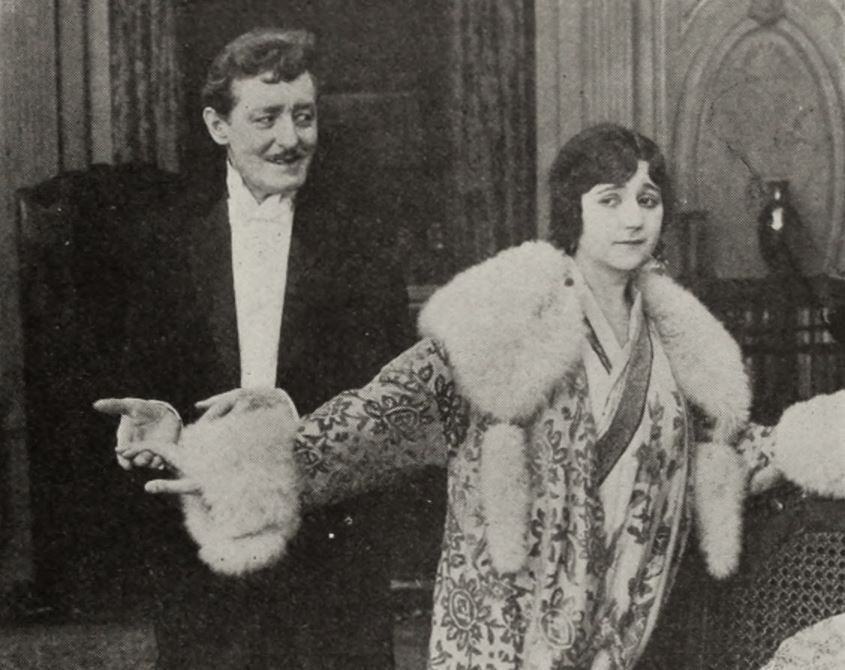
Director's Spotlight: United States
A Deep Dive into the 1915 Vision of Richard Ridgely
The enduring fascination with The Destroying Angel is a testament to the defining moment in cult history that Richard Ridgely helped create. This film stands as a masterclass in visual storytelling, it has cemented its place in the global cult cinema archive.
In The Destroying Angel, Richard Ridgely pushes the boundaries of conventional narrative. The film's unique approach to its subject matter has sparked endless debates and interpretations among cinephiles and critics alike.
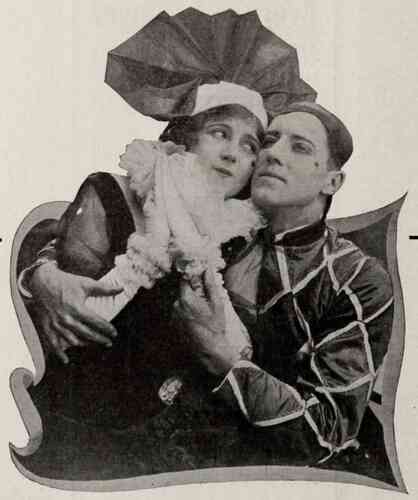
The visual language of The Destroying Angel is defined by its use of shadows and framing, a hallmark of Richard Ridgely's style. By utilizing a 1915-era palette, the film creates an immersive experience that perfectly complements its cult themes.
| Cinematography | High-Contrast |
| Soundtrack | Minimalist |
| Editing | Slow-Burn |
| Art Direction | Brutalist |
Visualizing the convergence of Richard Ridgely's style and the core cult narrative.
Mary Ladislas elopes with the chauffeur because of his sympathy for her ideals, and they stop at a hotel. The scornful attitude of all who meet them causes Mary to desire immediate marriage, but on the way for a license, the auto overturns and kills the chauffeur. It is too late for Mary to return home now and she is left alone, disconsolate. Hugh Whittaker, ill, given up by the doctors, leaves his affairs in the hands of Drummond, his partner, and prepares to leave for the west. He meets Mary and prevents her suicide. Pitying her and feeling his own end near, he marries her and continues on his journey, after giving her a note to his partner, Drummond, so that he may provide for her. Drummond, who is dissipating and appropriating Hugh's funds, is fascinated by Mary, but she refuses his aid. Later, news comes of Hugh's death. Mary obtains the title role in Carmen at Max's theater, who treasures her for her artistic acting. In a jealous rage he causes the death of David, another actor whom Mary is to marry. Four years pass. Thurston, a young millionaire, who is to marry Mary, is pushed off a ferry boat by Max and drowned. Drummond, meanwhile, is forcing his attentions on Mary. Hugh, contrary to reports, has not been killed. His mining operations in the west have made him a millionaire and he returns home cured. At the theater he sees Mary. She recognizes him and suffers a nervous breakdown. Her unfortunate affairs with men have earned her the title of "The Destroying Angel." She goes to the seashore to recover from her attack. Drummond, meanwhile, who has spent all the money left in his care by Hugh, has disappeared. Unconscious of Mary's whereabouts, Hugh also takes a cottage at the seashore. He foils Drummond, who has suddenly reappeared, in an attempt to kidnap Mary. Drummond is killed in the scuffle by Hugh's valet. Fearing to cast her terrible spell upon him, Mary leaves Hugh and returns to the stage. He follows, however, and Max attempts to shoot him, but Hugh has broken the deadly spell, for Max's bullets go wild. Mary, who really loves Hugh, gives herself up to her love, and returns with him. His is the charmed life which has pierced the circle of death about "The Destroying Angel."
Decades after its release, The Destroying Angel remains a vital piece of the cinematic puzzle. Its influence can be seen in countless modern works, solidifying Richard Ridgely's status as a master of the craft in United States and beyond.