
DbcultAccessing Vault...
Director's Spotlight
Senior Film Conservator
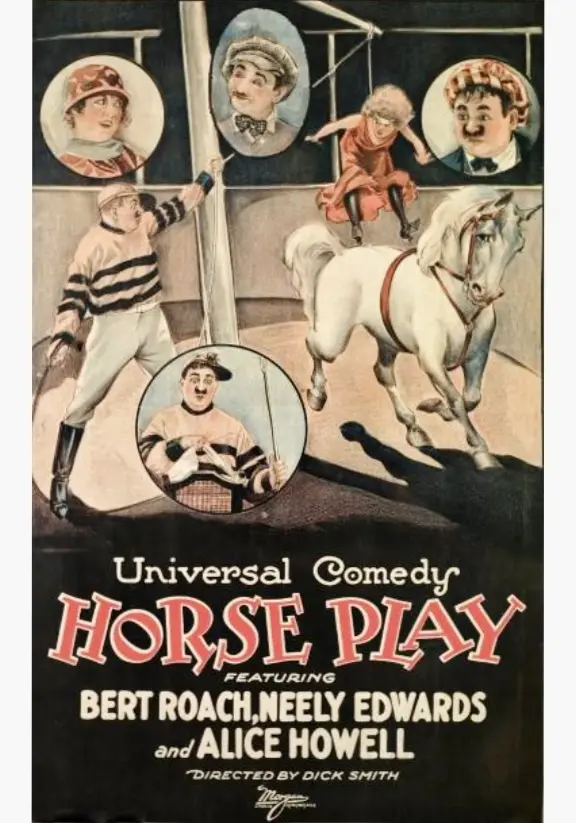
Director's Spotlight: United States
A Deep Dive into the 1924 Vision of Richard Smith
Few works in United States cinema carry the same weight as Horse Play, especially regarding the technical innovation that Richard Smith introduced to the Short format. Subverting the expectations of the typical 1924 audience, it bridges the gap between traditional Short and contemporary vision.
In Horse Play, Richard Smith pushes the boundaries of conventional narrative. The film's unique approach to its subject matter has sparked endless debates and interpretations among cinephiles and critics alike.
The visual language of Horse Play is defined by its use of shadows and framing, a hallmark of Richard Smith's style. By utilizing a 1924-era palette, the film creates an immersive experience that perfectly complements its Short themes.
| Cinematography | Noir-Inspired |
| Soundtrack | Minimalist |
| Editing | Slow-Burn |
| Art Direction | Brutalist |
Visualizing the convergence of Richard Smith's style and the core Short narrative.
Bert tries to get a donkey to a standing position with the aid of two others. The latter two leave, the lady taking a "sample" lesson on a trick saddle suspended from a "turnabout," under which a horse dashes, in a circle. The mule kicks Bert into the lesson, disrupting things. Later, the couple are each given a fire horse and trot merrily away. Bert mounts his beast, too, and follows. A passing farmer tosses a match behind him, and it lands in his popcorn load which he is taking to market. He spurts his flivver, but the truck behind breaks loose, rolls downhill into a barn. Smelling the smoke and fire, the fire plugs dash into the barn, knocking their riders to the ground. Bert follows, discovers that the cart is full of tempting, fresh popcorn and takes the cart to the street, doing a lively business with the kiddies. The couple amble away sadly, bowlegged, and feeling rather pained because of their strenuous sitting pastime.
Decades after its release, Horse Play remains a vital piece of the cinematic puzzle. Its influence can be seen in countless modern works, solidifying Richard Smith's status as a master of the craft in United States and beyond.