
DbcultAccessing Vault...
Director's Spotlight
Senior Film Conservator
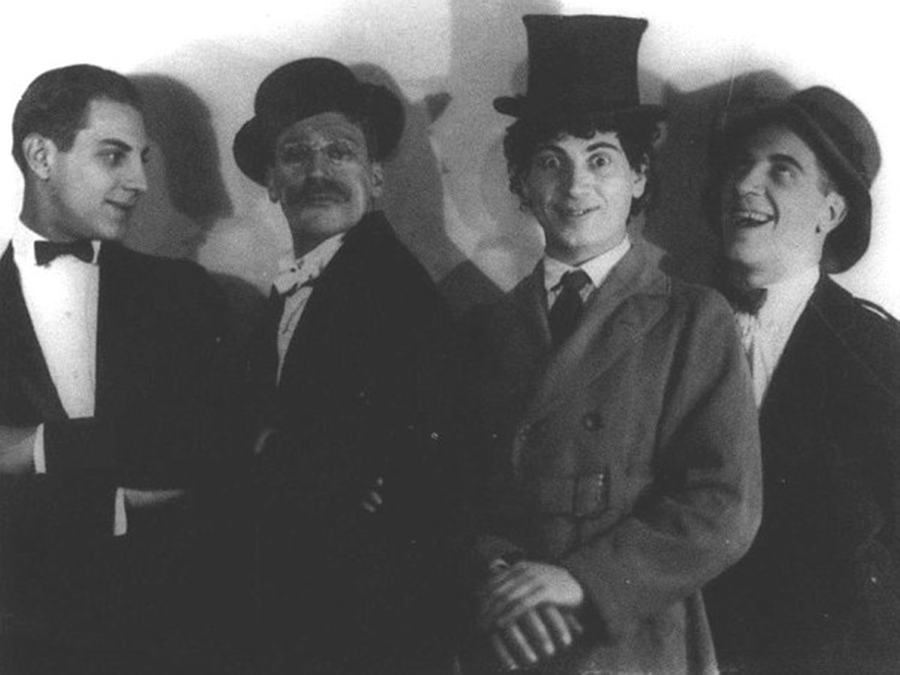
Director's Spotlight: United States
A Deep Dive into the 1921 Vision of Richard Smith
The artistic breakthrough represented by Humor Risk in 1921 highlights the uncompromising vision of Richard Smith that defines this Horror masterpiece. In the context of United States's rich cinematic history, it captures a specific kind of cinematic magic that is rarely replicated.
In Humor Risk, Richard Smith pushes the boundaries of conventional narrative. The film's unique approach to its subject matter has sparked endless debates and interpretations among cinephiles and critics alike.
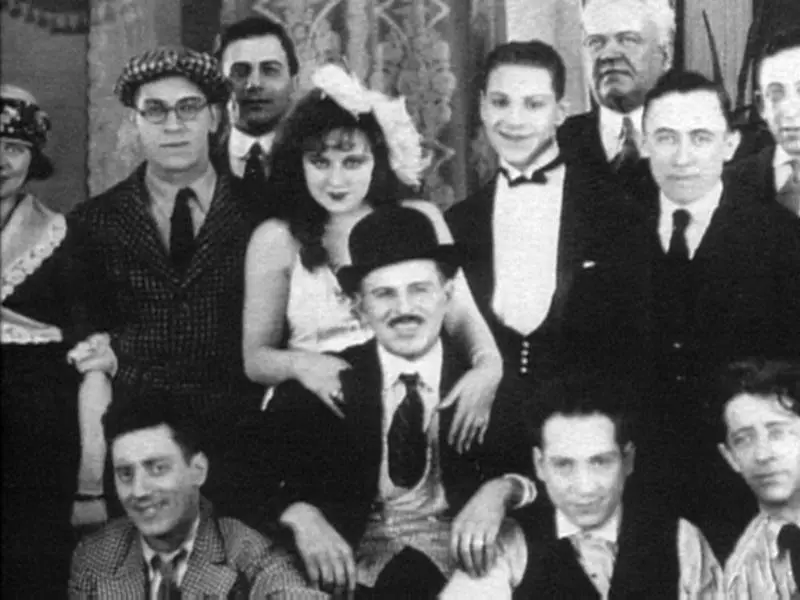
While deeply rooted in United States, Humor Risk has achieved a global reach, influencing directors from various backgrounds. Its ability to translate Horror tropes into a universal cinematic language is why it remains a cult staple decades after its 1921 release.
| Cinematography | Static |
| Soundtrack | Orchestral |
| Editing | Invisible |
| Art Direction | Kitsch |
Visualizing the convergence of Richard Smith's style and the core Horror narrative.
Harpo played the hero, a detective named Watson who "made his entrance in a high hat, sliding down a coal chute into the basement". Groucho played an "old movie" villain, who "sported a long mustache and was clad in black", while Chico was probably his "chuckling [Italian] henchman". Zeppo portrayed a playboy who was the owner of a nightclub in which most of the action took place, including "a cabaret, [which allowed] the inclusion of a dance number". The final shot showed Groucho "in ball and chain, trudging slowly off into the gloaming". Harpo, in a rare moment of romantic glory, gets the girl in the end.
Decades after its release, Humor Risk remains a vital piece of the cinematic puzzle. Its influence can be seen in countless modern works, solidifying Richard Smith's status as a master of the craft in United States and beyond.