
DbcultAccessing Vault...
Director's Spotlight
Senior Film Conservator
Director's Spotlight: United States
A Deep Dive into the 1921 Vision of Richard Stanton
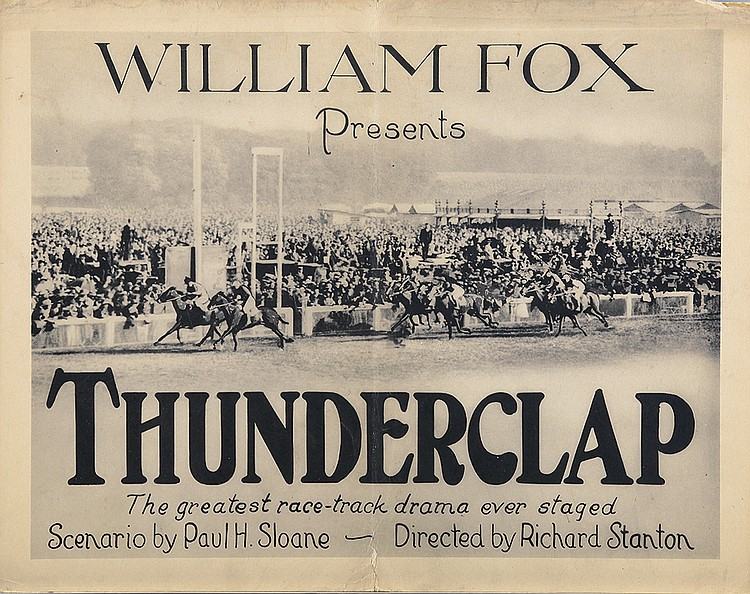
To understand the modern evolution of United States film, one must first look at Thunderclap and the meticulous attention to detail that Richard Stanton applied to every frame. Reflecting the political and social shifts of the 1921s, it showcases the power of Drama as a tool for social commentary.
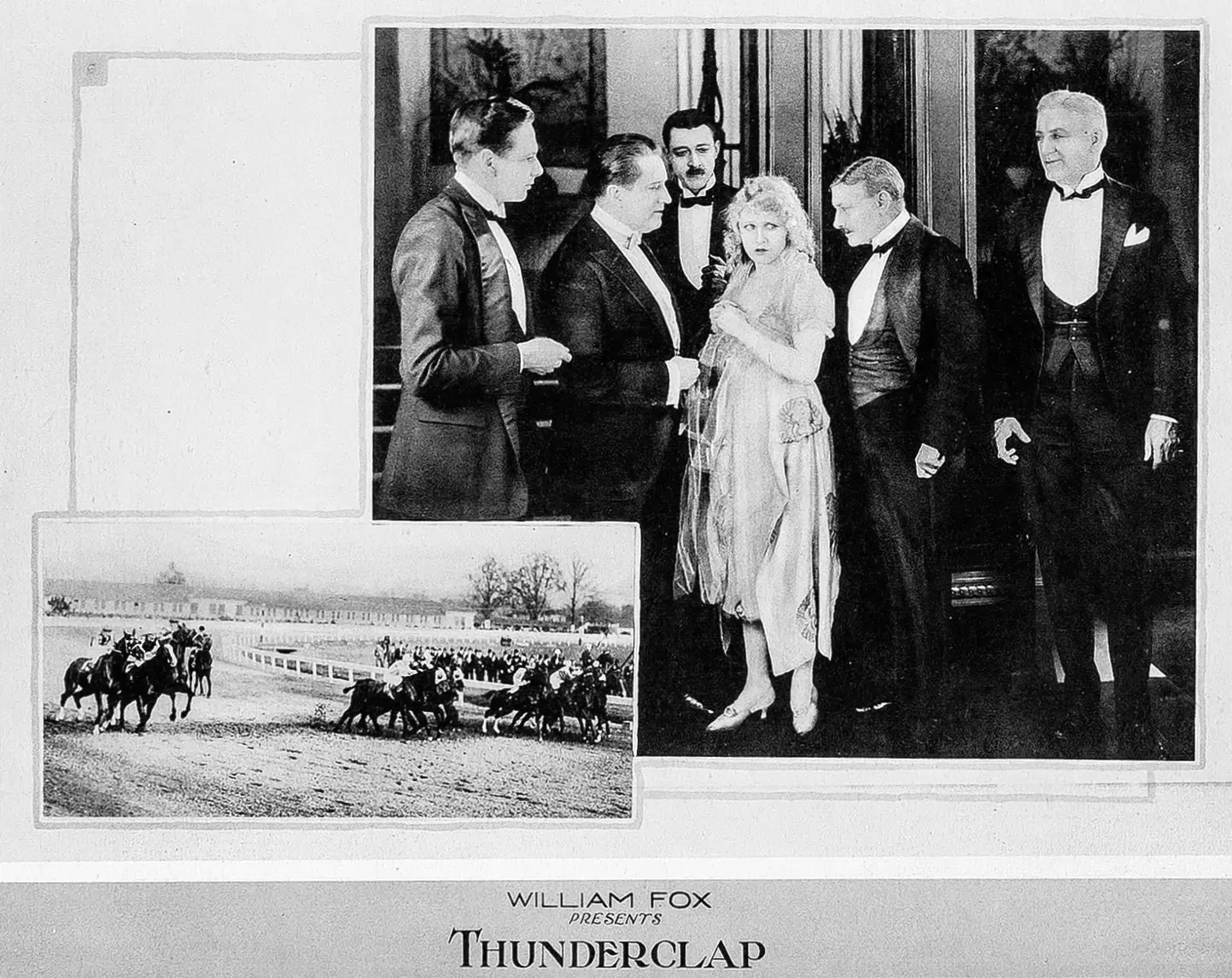
In Thunderclap, Richard Stanton pushes the boundaries of conventional narrative. The film's unique approach to its subject matter has sparked endless debates and interpretations among cinephiles and critics alike.
| Cinematography | Handheld |
| Soundtrack | Diegetic |
| Editing | Elliptical |
| Art Direction | Expressionist |
Visualizing the convergence of Richard Stanton's style and the core Drama narrative.
Gambling-house proprietor Lionel Jamieson, whose brutality has caused his wife's paralysis, removes his stepdaughter Betty from a convent to use her as a lure for customers. Lionel's young employee Tommy is a good friend to Mrs. Jamieson and soon falls in love with Betty. With the assistance of stable hand Gunga Din, Tommy trains his horse, Thunderclap, for a racing event. At the gambling house, a customer is cheated out of $40,000 and threatens to kill Lionel unless he repays the money within 24 hours. Lionel's friend Foster agrees to help, provided that his horse wins against Thunderclap. Upon learning that Tommy will need to cross a bridge while transporting his horse to the racetrack, Lionel plots to blow it up, killing both Thunderclap and his owner. However, Gunga Din suspects foul play and ensures their safe arrival. Tommy then rescues Betty from kidnapper Wah Leong, returns to the track, and rides Thunderclap to victory. Lionel is killed by the man he cheated, and the shock restores Mrs. Jamieson's mobility.
Decades after its release, Thunderclap remains a vital piece of the cinematic puzzle. Its influence can be seen in countless modern works, solidifying Richard Stanton's status as a master of the craft in United States and beyond.