
DbcultAccessing Vault...
Director's Spotlight
Senior Film Conservator
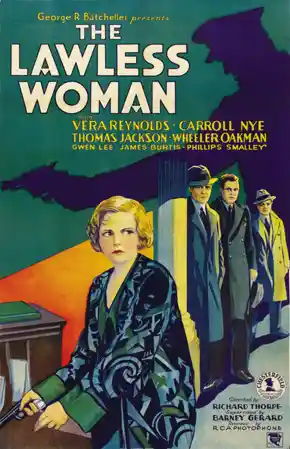
Director's Spotlight: United States
A Deep Dive into the 1931 Vision of Richard Thorpe
The Drama DNA of The Lawless Woman is a reflection of United States's the historical context that Richard Thorpe weaves into the Drama fabric. Challenging the viewer to find meaning in the Drama shadows, it transcends regional boundaries to tell a universal story.
In The Lawless Woman, Richard Thorpe pushes the boundaries of conventional narrative. The film's unique approach to its subject matter has sparked endless debates and interpretations among cinephiles and critics alike.
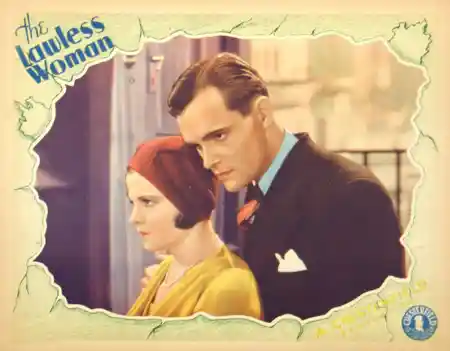
The visual language of The Lawless Woman is defined by its use of shadows and framing, a hallmark of Richard Thorpe's style. By utilizing a 1931-era palette, the film creates an immersive experience that perfectly complements its Drama themes.
| Cinematography | Handheld |
| Soundtrack | Experimental |
| Editing | Invisible |
| Art Direction | Kitsch |
Visualizing the convergence of Richard Thorpe's style and the core Drama narrative.
Showgirl June Page is arrested for the murder of gangster Honest Ed Baker, and cub reporter Allan Perry decides he will get her story. She refuses to speak to Allan at all but steadfastly denies killing Baker and insists that, despite rumors, she was not his girl. When the local gangsters meet to discuss a replacement for Baker, Poker Wilson is chosen and announces that he is taking over all of Baker's property, including June. Allan continues his pursuit of June, explaining that this story could be his big break. While they are arguing, Wilson attempts to drag June away with him. Allan knocks him out and June hurries him away to hide in her apartment. She warns Allan that the gangsters will be looking for him and suggests that he spend the night at her apartment. By the next morning, they have fallen in love. When Wilson breaks into June's apartment, she pretends she was holding Allan there for him. Wilson's men take Allan for a ride, but June manages to slip a gun into his coat pocket. Even though the gun only has one bullet, Allan uses it to make his getaway, but still believes that June betrayed him. Allan and Paddy Reardon, a policeman, sneak into June's apartment just in time to hear her confess to Baker's murder, which she committed in self-defense. Reardon shoots Wilson in the back as he tries to escape. June and Allan are reconciled, and their happiness is complete when Reardon tells June that he is sure she will be exonerated for her crime.
Decades after its release, The Lawless Woman remains a vital piece of the cinematic puzzle. Its influence can be seen in countless modern works, solidifying Richard Thorpe's status as a master of the craft in United States and beyond.