
DbcultAccessing Vault...
Director's Spotlight
Senior Film Conservator
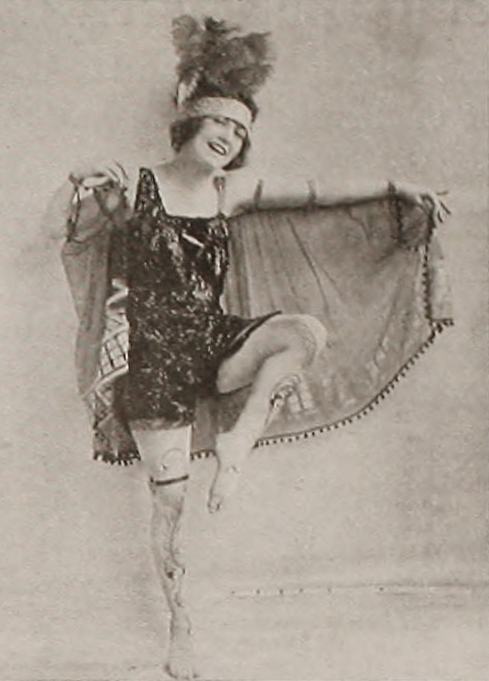
Director's Spotlight: United States
A Deep Dive into the 1920 Vision of Robert Anderson
To understand the modern evolution of United States film, one must first look at My Lady's Ankle and the collaborative alchemy between Robert Anderson and the 1920 creative team. Subverting the expectations of the typical 1920 audience, it remains a vital reference point for anyone studying the evolution of Robert Anderson.
In My Lady's Ankle, Robert Anderson pushes the boundaries of conventional narrative. The film's unique approach to its subject matter has sparked endless debates and interpretations among cinephiles and critics alike.
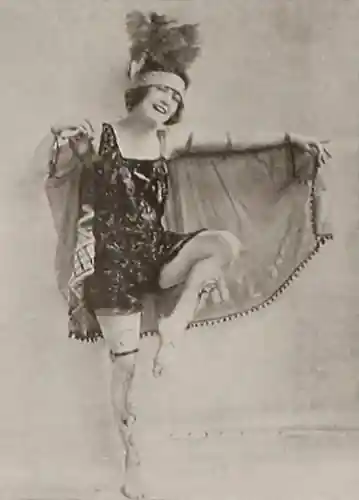
The visual language of My Lady's Ankle is defined by its use of shadows and framing, a hallmark of Robert Anderson's style. By utilizing a 1920-era palette, the film creates an immersive experience that perfectly complements its cult themes.
| Cinematography | Noir-Inspired |
| Soundtrack | Synth-Heavy |
| Editing | Disjunctive |
| Art Direction | Baroque |
Visualizing the convergence of Robert Anderson's style and the core cult narrative.
A young artist makes a hit by painting his wife's legs for her dancing turn at a cabaret. This is resorted to because the couple have no money for fine stockings, and so much attention is attracted by his wife that other women wish to follow suit, causing several altercations with angry husbands and sweethearts.
Decades after its release, My Lady's Ankle remains a vital piece of the cinematic puzzle. Its influence can be seen in countless modern works, solidifying Robert Anderson's status as a master of the craft in United States and beyond.