
DbcultAccessing Vault...
Director's Spotlight
Senior Film Conservator
Director's Spotlight: United States
A Deep Dive into the 1922 Vision of Robert Eddy
The artistic breakthrough represented by Pop Tuttle's Movie Queen in 1922 highlights the uncompromising vision of Robert Eddy that defines this Comedy masterpiece. In the context of United States's rich cinematic history, it captures a specific kind of cinematic magic that is rarely replicated.
In Pop Tuttle's Movie Queen, Robert Eddy pushes the boundaries of conventional narrative. The film's unique approach to its subject matter has sparked endless debates and interpretations among cinephiles and critics alike.
While deeply rooted in United States, Pop Tuttle's Movie Queen has achieved a global reach, influencing directors from various backgrounds. Its ability to translate Comedy tropes into a universal cinematic language is why it remains a cult staple decades after its 1922 release.
| Cinematography | High-Contrast |
| Soundtrack | Experimental |
| Editing | Invisible |
| Art Direction | Kitsch |
Visualizing the convergence of Robert Eddy's style and the core Comedy narrative.
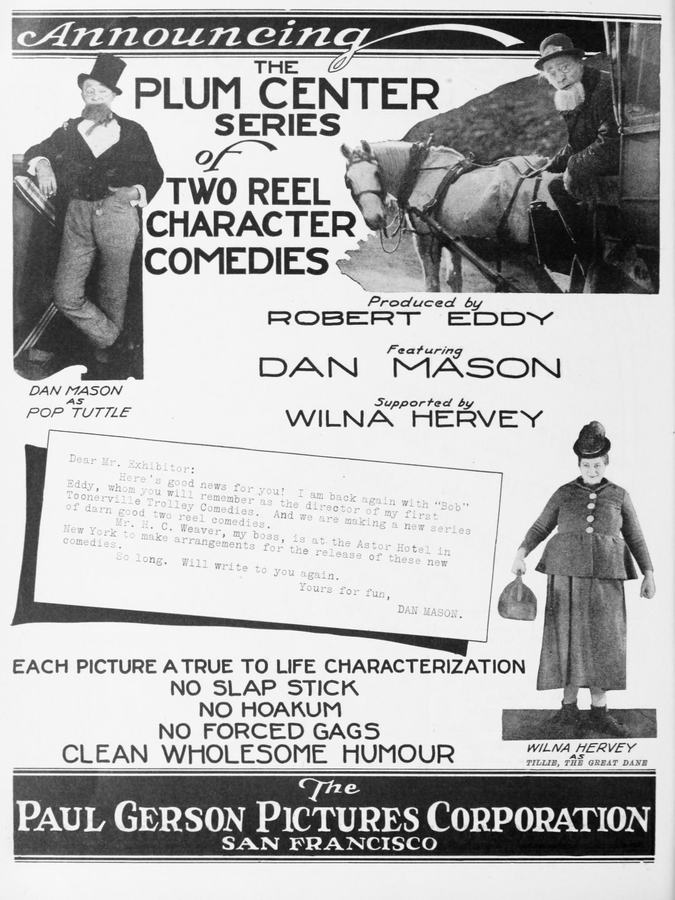
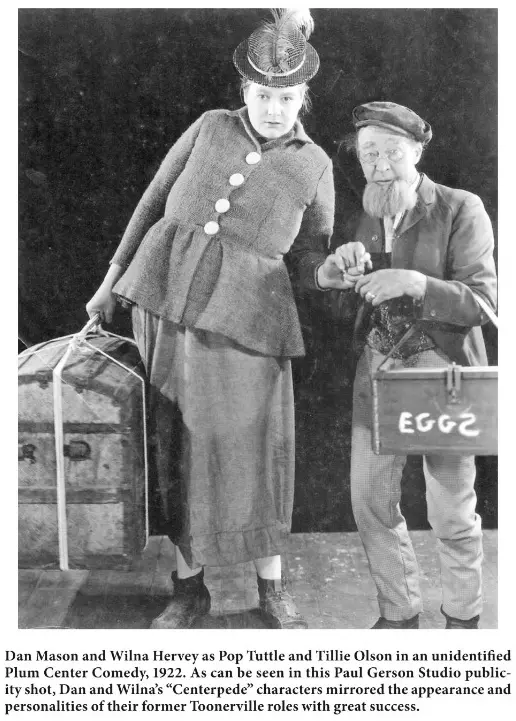
Pop Turtle drives the "bus that meets all trains" at Plum Centre, and also runs the only picture show in town. The Purity League is determined to wipe out Pop Tuttle's "den of vice" but when he puts on a "special attraction" by rehearsing a jobless waitress and introduces her as a disciple of Hollywood, the townspeople and the reformers flock to get a glimpse of her.
Decades after its release, Pop Tuttle's Movie Queen remains a vital piece of the cinematic puzzle. Its influence can be seen in countless modern works, solidifying Robert Eddy's status as a master of the craft in United States and beyond.