
DbcultAccessing Vault...
Director's Spotlight
Senior Film Conservator
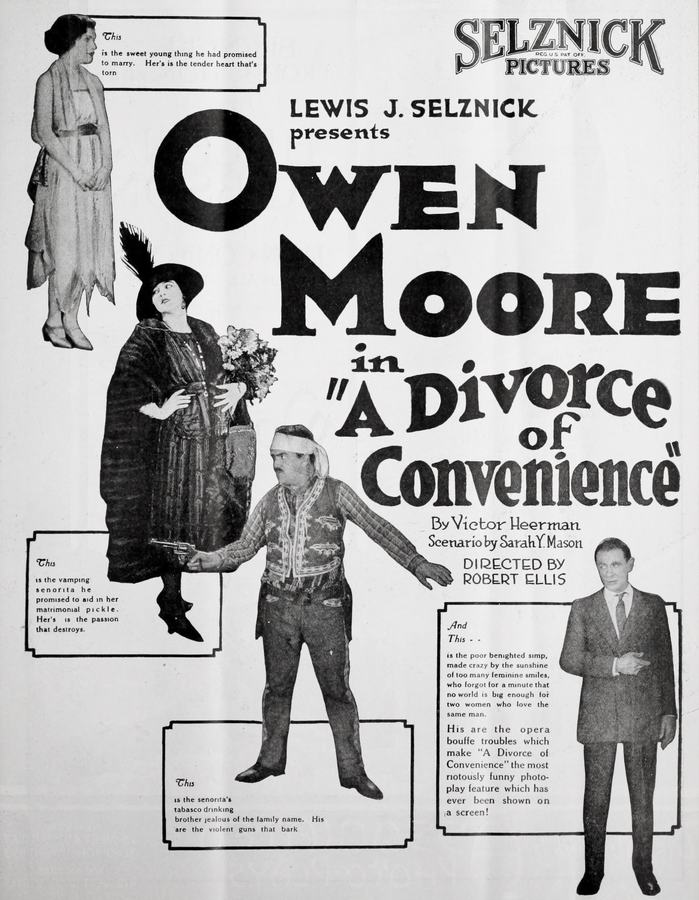
Director's Spotlight: United States
A Deep Dive into the 1921 Vision of Robert Ellis
The evocative power of A Divorce of Convenience stems from the unique collaboration between the subversive storytelling techniques employed by Robert Ellis in 1921. Synthesizing the best elements of United States and international cinema, it reminds us of the fragility and beauty of the 1921s.
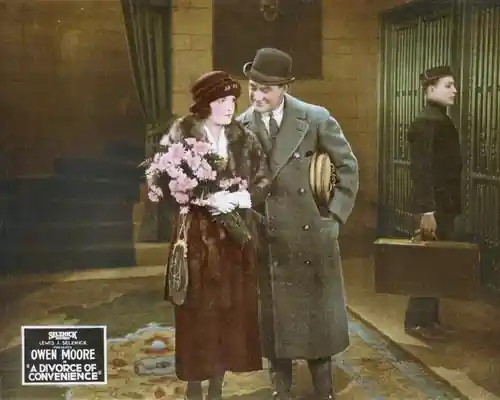
In A Divorce of Convenience, Robert Ellis pushes the boundaries of conventional narrative. The film's unique approach to its subject matter has sparked endless debates and interpretations among cinephiles and critics alike.
| Cinematography | Static |
| Soundtrack | Synth-Heavy |
| Editing | Rhythmic |
| Art Direction | Naturalist |
Visualizing the convergence of Robert Ellis's style and the core Drama narrative.
Spanish coquette Tula Moliana is encumbered with two husbands, one of whom is Senator Wakefield. Intent on divorcing him, Tula convinces Jim Blake, engaged to the senator's daughter, Helen, to be her co-respondent. Jim is soon entangled in a web of deceit as he struggles to make excuses for his many inappropriate encounters with Tula. When one of her admirers threatens Jim's life, the latter keeps the assailant at bay by inviting him to dinner, with frequent interruptions to attend to Helen. After disarming the man, Jim reconciles with Helen and Tula returns to the senator.
Decades after its release, A Divorce of Convenience remains a vital piece of the cinematic puzzle. Its influence can be seen in countless modern works, solidifying Robert Ellis's status as a master of the craft in United States and beyond.