
DbcultAccessing Vault...
Director's Spotlight
Senior Film Conservator
Director's Spotlight: United States
A Deep Dive into the 1920 Vision of Robert Ellis
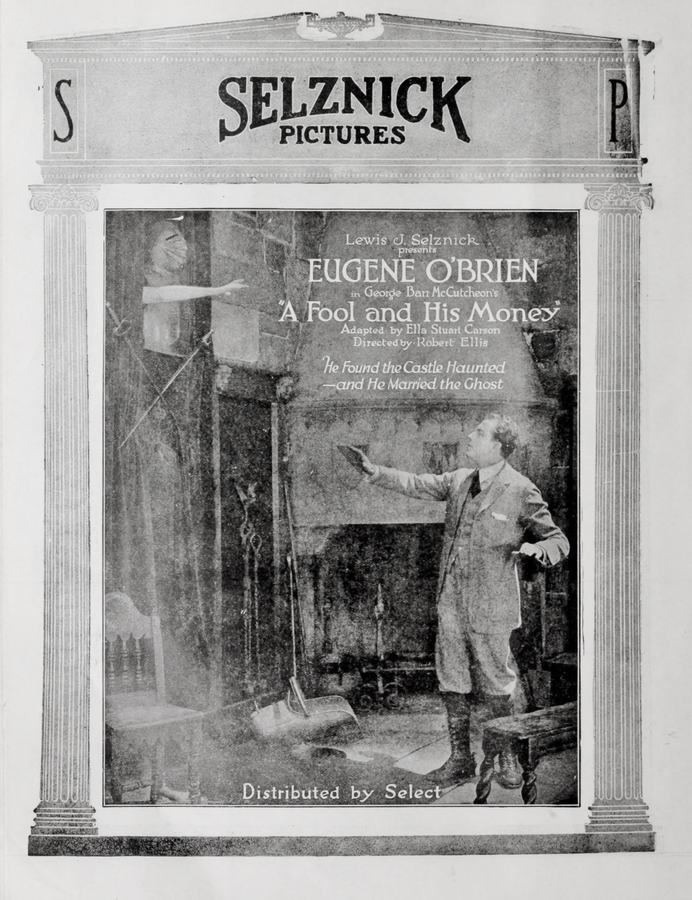
The 1920 release of A Fool and His Money marked a significant moment for the enduring legacy of Robert Ellis's artistic contribution to the genre. By challenging the status quo of 1920 cinema, it has cemented its place in the global cult cinema archive.
In A Fool and His Money, Robert Ellis pushes the boundaries of conventional narrative. The film's unique approach to its subject matter has sparked endless debates and interpretations among cinephiles and critics alike.
To fully appreciate A Fool and His Money, one must consider the cinematic climate of 1920. During this period, United States was undergoing significant artistic shifts, and Robert Ellis was at the forefront of this Drama movement, often challenging established norms.
| Cinematography | Deep Focus |
| Soundtrack | Synth-Heavy |
| Editing | Disjunctive |
| Art Direction | Baroque |
Visualizing the convergence of Robert Ellis's style and the core Drama narrative.
John B. Smart, an American author in search of solitude and an atmosphere for a new story, purchases an old castle in Switzerland. Upon moving in, he discovers a beautiful woman hiding with a baby in the east tower. She tells him that she is Aline, the daughter of an American millionaire and the divorced wife of Count Tarnowsky, who has squandered her money and treated her brutally and to whom the courts have awarded their child. The count comes to the castle and confronts Smart, who thrashes him soundly and has him thrown into the dungeon. Smart then takes Aline and her child on a sleigh and speeds to the Italian border. The count escapes and pursues them, but they safely cross the border and Aline consents to be Smart's wife.
Decades after its release, A Fool and His Money remains a vital piece of the cinematic puzzle. Its influence can be seen in countless modern works, solidifying Robert Ellis's status as a master of the craft in United States and beyond.