
DbcultAccessing Vault...
Director's Spotlight
Senior Film Conservator
Director's Spotlight: United States
A Deep Dive into the 1920 Vision of Robert Ellis
The 1920 release of The Daughter Pays marked a significant moment for the enduring legacy of Robert Ellis's artistic contribution to the genre. By challenging the status quo of 1920 cinema, it has cemented its place in the global cult cinema archive.
In The Daughter Pays, Robert Ellis pushes the boundaries of conventional narrative. The film's unique approach to its subject matter has sparked endless debates and interpretations among cinephiles and critics alike.
While deeply rooted in United States, The Daughter Pays has achieved a global reach, influencing directors from various backgrounds. Its ability to translate Drama tropes into a universal cinematic language is why it remains a cult staple decades after its 1920 release.
| Cinematography | Static |
| Soundtrack | Experimental |
| Editing | Elliptical |
| Art Direction | Expressionist |
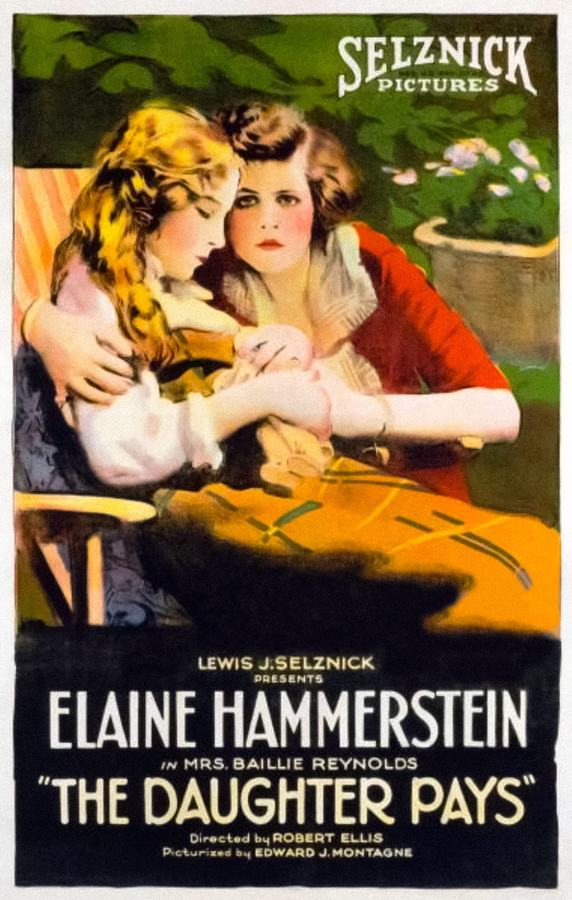
Visualizing the convergence of Robert Ellis's style and the core Drama narrative.
For revenge, wealthy Osbert Gault marries Virginia Mynors, the daughter of a woman who had jilted him years earlier. Unaware of Gault's motives, Virginia consents to the marriage for the sake of her impoverished family. Gault, desirous of punishing Virginia for her mother's sins, humiliates her continually until she finally breaks down under the strain. Feeling remorse, Gault attempts to compensate for his abuse by granting Virginia her freedom and curing her crippled sister. After several misadventures, Gault discovers his love for Virginia, and she agrees to return home to her husband whom she has also grown to love.
Decades after its release, The Daughter Pays remains a vital piece of the cinematic puzzle. Its influence can be seen in countless modern works, solidifying Robert Ellis's status as a master of the craft in United States and beyond.