
DbcultAccessing Vault...
Director's Spotlight
Senior Film Conservator
Director's Spotlight: United States
A Deep Dive into the 1918 Vision of Robert Ensminger
As a cultural artifact of the 1918s, The Midnight Burglar provides the visionary mind of its creator, Robert Ensminger. With its avant-garde structure and atmospheric tension, it redefined what audiences could expect from a cult experience.
In The Midnight Burglar, Robert Ensminger pushes the boundaries of conventional narrative. The film's unique approach to its subject matter has sparked endless debates and interpretations among cinephiles and critics alike.
| Cinematography | Handheld |
| Soundtrack | Synth-Heavy |
| Editing | Rhythmic |
| Art Direction | Naturalist |
Visualizing the convergence of Robert Ensminger's style and the core cult narrative.
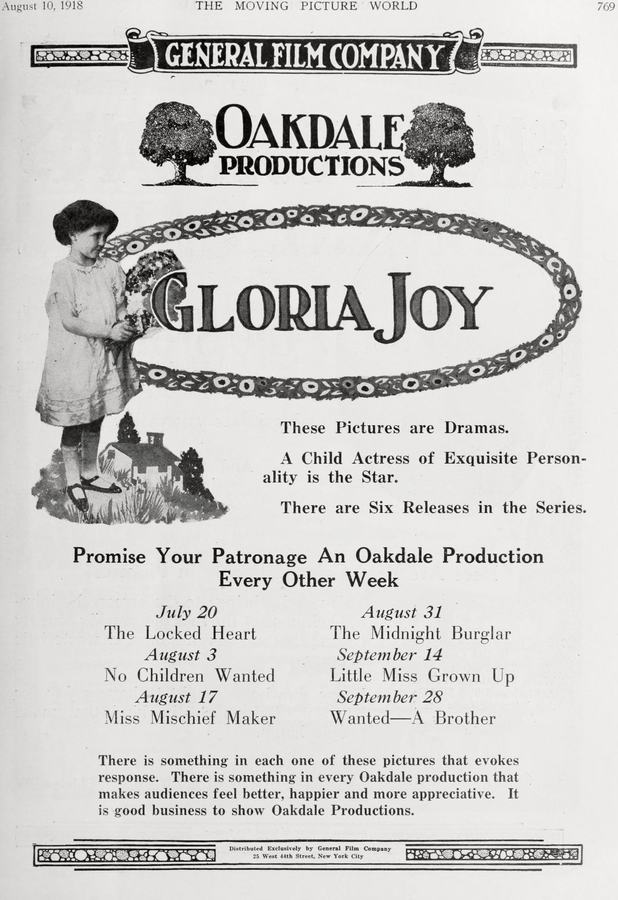
Marylee Depue's father, John Cromwell Depue, refuses to improve the unsanitary living conditions in his tenements, although many of the tenants have become ill. John's wife Emily, who is involved in charity work only because it is fashionable among her friends, takes Marylee on an excursion through the tenements, where the child sees genuine suffering for the first time in her life. At a ball given by her mother, Marylee dresses as a slum child and collects money for the poor, and later that night she steals away to the tenement to visit Jones, whose wife has contracted typhoid. Determined to help the sick woman, Marylee steals a large basket of food from her own house and gives it to Jones, but he takes her back home when she becomes ill. Overjoyed to learn that Marylee's sickness was brought on by eating too many cakes with jam, John and Emily vow to lower the rents and clean up the tenements.
Decades after its release, The Midnight Burglar remains a vital piece of the cinematic puzzle. Its influence can be seen in countless modern works, solidifying Robert Ensminger's status as a master of the craft in United States and beyond.