
DbcultAccessing Vault...
Director's Spotlight
Senior Film Conservator
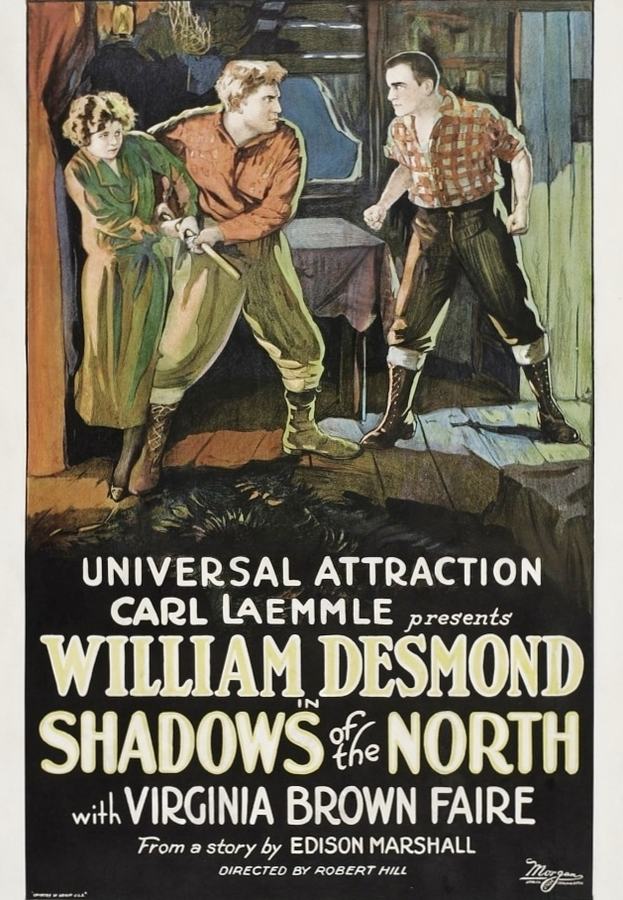
Director's Spotlight: United States
A Deep Dive into the 1923 Vision of Robert F. Hill
Exploring the Drama underpinnings of Shadows of the North leads us to the stylistic boundaries pushed by Robert F. Hill during the production. Through a lens of existential fatalism and Drama tropes, it continues to spark endless debates among critics and cinephiles alike.
In Shadows of the North, Robert F. Hill pushes the boundaries of conventional narrative. The film's unique approach to its subject matter has sparked endless debates and interpretations among cinephiles and critics alike.
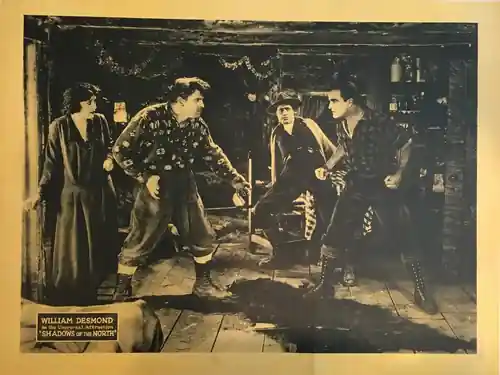
The visual language of Shadows of the North is defined by its use of shadows and framing, a hallmark of Robert F. Hill's style. By utilizing a 1923-era palette, the film creates an immersive experience that perfectly complements its Drama themes.
| Cinematography | Noir-Inspired |
| Soundtrack | Diegetic |
| Editing | Rhythmic |
| Art Direction | Naturalist |
Visualizing the convergence of Robert F. Hill's style and the core Drama narrative.
Ben Darby and Pancake, his father, are owners of a mining claim in Northwest Canada. Ben goes to war, leaving Pancake to run the mine. During Ben's absence three claim jumpers take possession of the mine: one of the men is the father of Beatrice, Ben's sweetheart; another, a rival suitor. Pancake is murdered when he and Ben plot to regain the claim. Ben kidnaps Beatrice, resolving to obtain revenge through her. Ben finds that she knew nothing of the stolen claim and that her father was innocent of Pancake's murder. Ben wins back the claim and marries Beatrice.
Decades after its release, Shadows of the North remains a vital piece of the cinematic puzzle. Its influence can be seen in countless modern works, solidifying Robert F. Hill's status as a master of the craft in United States and beyond.