
DbcultAccessing Vault...
Director's Spotlight
Senior Film Conservator
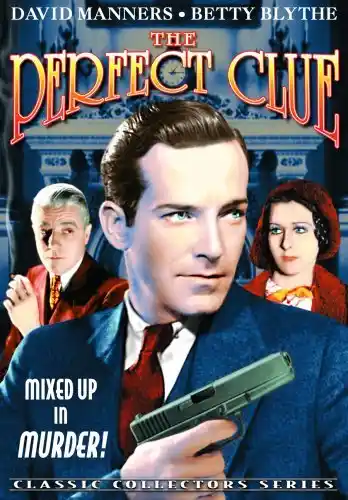
Director's Spotlight: United States
A Deep Dive into the 1935 Vision of Robert G. Vignola
The evocative power of The Perfect Clue stems from the unique collaboration between the subversive storytelling techniques employed by Robert G. Vignola in 1935. Synthesizing the best elements of United States and international cinema, it reminds us of the fragility and beauty of the 1935s.
In The Perfect Clue, Robert G. Vignola pushes the boundaries of conventional narrative. The film's unique approach to its subject matter has sparked endless debates and interpretations among cinephiles and critics alike.
While deeply rooted in United States, The Perfect Clue has achieved a global reach, influencing directors from various backgrounds. Its ability to translate Comedy tropes into a universal cinematic language is why it remains a cult staple decades after its 1935 release.
| Cinematography | High-Contrast |
| Soundtrack | Synth-Heavy |
| Editing | Disjunctive |
| Art Direction | Baroque |
Visualizing the convergence of Robert G. Vignola's style and the core Comedy narrative.
Mona Stewart, madcap, spoiled daughter of a wealthy man, becomes upset when she learns that her father is engaged to a woman she hates. She runs away, via various modes of transportation, and hires an ex-con, David Mannering, to drive her around as she eludes the all-out search conducted by her father and her fiancée, Ronnie Van Zandt. A romance is blossoming until her chauffeur is arrested for the murder of a crime-syndicate boss.
Decades after its release, The Perfect Clue remains a vital piece of the cinematic puzzle. Its influence can be seen in countless modern works, solidifying Robert G. Vignola's status as a master of the craft in United States and beyond.