
DbcultAccessing Vault...
Director's Spotlight
Senior Film Conservator
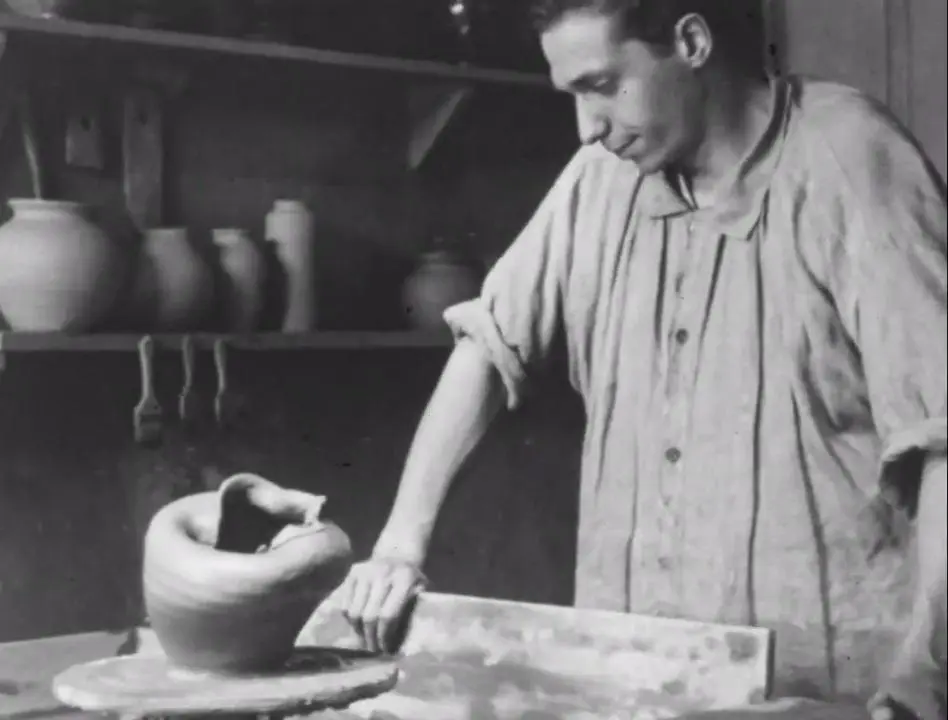
Director's Spotlight: United States
A Deep Dive into the 1925 Vision of Robert J. Flaherty
Exploring the Short underpinnings of The Potterymaker leads us to the stylistic boundaries pushed by Robert J. Flaherty during the production. Through a lens of existential fatalism and Short tropes, it continues to spark endless debates among critics and cinephiles alike.
In The Potterymaker, Robert J. Flaherty pushes the boundaries of conventional narrative. The film's unique approach to its subject matter has sparked endless debates and interpretations among cinephiles and critics alike.
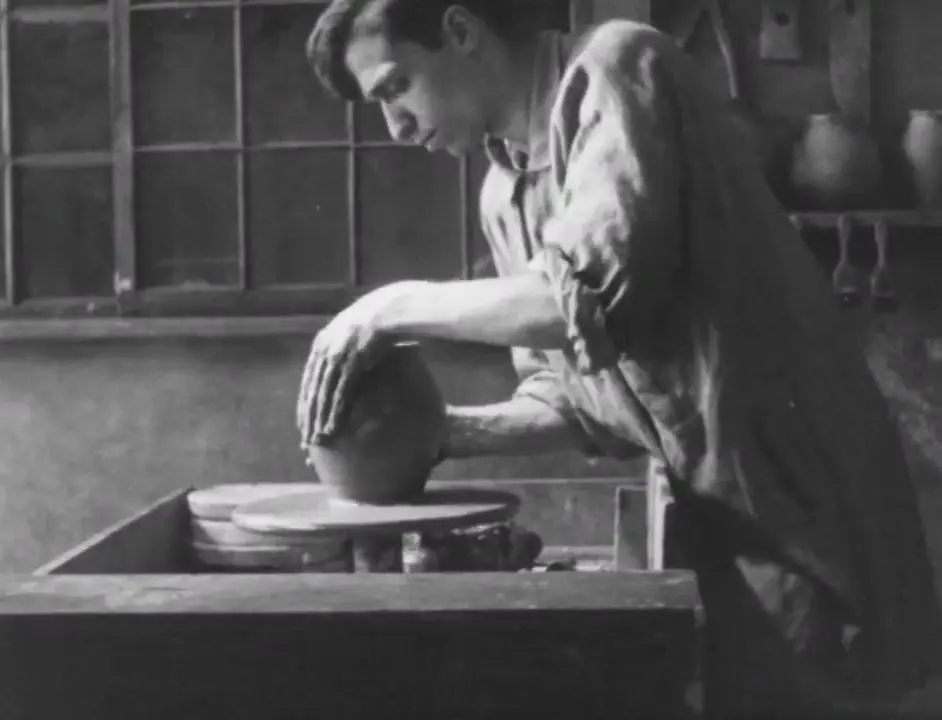
To fully appreciate The Potterymaker, one must consider the cinematic climate of 1925. During this period, United States was undergoing significant artistic shifts, and Robert J. Flaherty was at the forefront of this Short movement, often challenging established norms.
| Cinematography | High-Contrast |
| Soundtrack | Diegetic |
| Editing | Elliptical |
| Art Direction | Expressionist |
Visualizing the convergence of Robert J. Flaherty's style and the core Short narrative.
The artistry and the technique of a pottery worker is presented in great detail, in this mixture of fiction and documentary, as a real ceramist creates a new vase after a little girl visiting his shop accidentally destroys his latest creation.
Decades after its release, The Potterymaker remains a vital piece of the cinematic puzzle. Its influence can be seen in countless modern works, solidifying Robert J. Flaherty's status as a master of the craft in United States and beyond.