
DbcultAccessing Vault...
Director's Spotlight
Senior Film Conservator
Director's Spotlight: United States
A Deep Dive into the 1934 Vision of Robert J. Horner
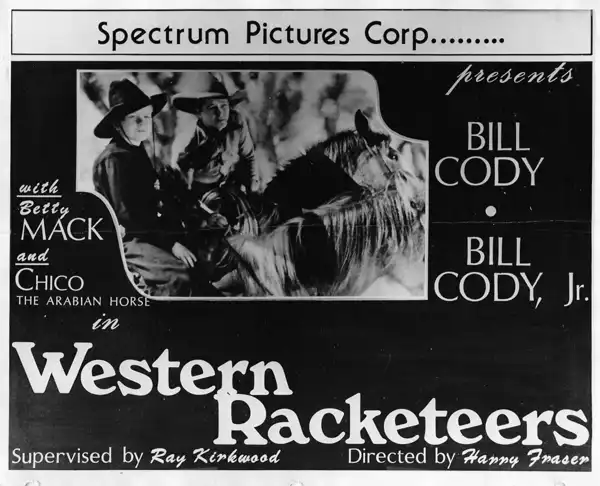
The thematic gravity of Western Racketeers (1934) is rooted in the artistic risks taken by Robert J. Horner that eventually paid off. Defining a new era of United States artistic expression, it demands to be seen by anyone who cares about the art of film.
In Western Racketeers, Robert J. Horner pushes the boundaries of conventional narrative. The film's unique approach to its subject matter has sparked endless debates and interpretations among cinephiles and critics alike.
While deeply rooted in United States, Western Racketeers has achieved a global reach, influencing directors from various backgrounds. Its ability to translate Western tropes into a universal cinematic language is why it remains a cult staple decades after its 1934 release.
| Cinematography | Deep Focus |
| Soundtrack | Synth-Heavy |
| Editing | Disjunctive |
| Art Direction | Baroque |
Visualizing the convergence of Robert J. Horner's style and the core Western narrative.
Cattlemen use Alamo Pass in order to get their cattle to market. A gang has taken it over and charges a toll to go through it. When one rancher doesn't have enough money to pay the toll, he winds up dead. A local rancher, Bill Bowers, investigates the killing, but his neighbor and rival Molly Spellman decides to take her cattle around the pass instead of through it to avoid the toll. The gangsters kidnap her, and Bill gathers the other ranchers in the area for a final showdown with the gang.
Decades after its release, Western Racketeers remains a vital piece of the cinematic puzzle. Its influence can be seen in countless modern works, solidifying Robert J. Horner's status as a master of the craft in United States and beyond.