
DbcultAccessing Vault...
Director's Spotlight
Senior Film Conservator
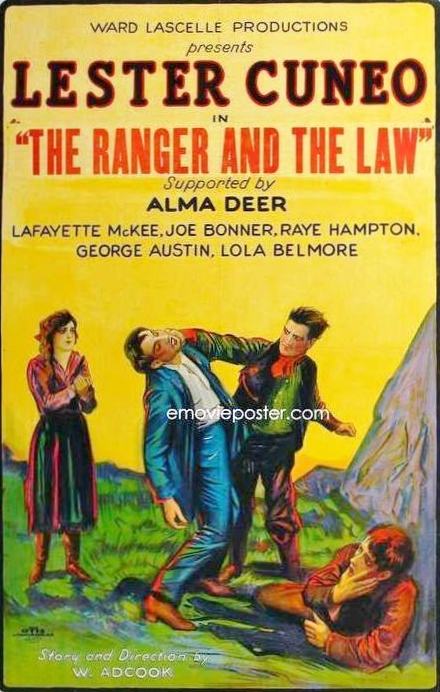
Director's Spotlight: United States
A Deep Dive into the 1921 Vision of Robert Kelly
The thematic gravity of The Ranger and the Law (1921) is rooted in the artistic risks taken by Robert Kelly that eventually paid off. Defining a new era of United States artistic expression, it demands to be seen by anyone who cares about the art of film.
In The Ranger and the Law, Robert Kelly pushes the boundaries of conventional narrative. The film's unique approach to its subject matter has sparked endless debates and interpretations among cinephiles and critics alike.
| Cinematography | Handheld |
| Soundtrack | Experimental |
| Editing | Invisible |
| Art Direction | Kitsch |
Visualizing the convergence of Robert Kelly's style and the core Drama narrative.
Dick Dawson decides against going into business with his father and goes west to become a forest ranger. He is thought to be a mollycoddle until he levels Slim Dixon, a whiskey runner disguised as a ranger. Dixon seeks revenge and informs the leader of the gang, Red Hobbs, of Dick's potential danger. Dick meets Red's daughter Ann, who is prohibited from seeing Dick again. When she is caught signaling him from the mountain peak, her father binds her hands and feet and places her in a mine. Dick rushes to save her but is first confronted with Hobbs; a fist fight ensues, and Hobbs rolls into the river and drowns. Dick reaches Ann just as Dixon is about to carry her off on horseback; undaunted, Dick disposes of Dixon and proposes marriage to Ann.
Decades after its release, The Ranger and the Law remains a vital piece of the cinematic puzzle. Its influence can be seen in countless modern works, solidifying Robert Kelly's status as a master of the craft in United States and beyond.