
DbcultAccessing Vault...
Director's Spotlight
Senior Film Conservator
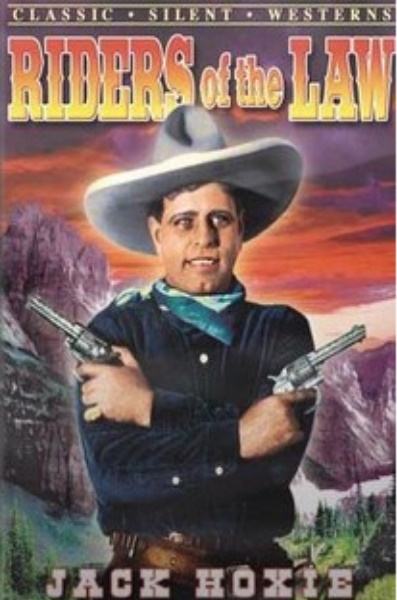
Director's Spotlight: United States
A Deep Dive into the 1922 Vision of Robert N. Bradbury
The brilliance of Riders of the Law (1922) is inseparable from the visionary mind of its creator, Robert N. Bradbury. Serving as a mirror to the anxieties of a changing world, it persists as a haunting reminder of our own cinematic history.
In Riders of the Law, Robert N. Bradbury pushes the boundaries of conventional narrative. The film's unique approach to its subject matter has sparked endless debates and interpretations among cinephiles and critics alike.
| Cinematography | Static |
| Soundtrack | Experimental |
| Editing | Invisible |
| Art Direction | Kitsch |
Visualizing the convergence of Robert N. Bradbury's style and the core Drama narrative.
The story deals, as its name implies, with the rigid law of the Northwest and with Jack Meadows' efforts to set free the girl's father, who is the sheriff. The man has been wounded by outlaws and found in a dying state by Jack and his pal. The two set out to bring the criminals to justice. The girl at first misjudges Jack and believes him responsible for her father's disappearance. When he proves the respected deputy is in reality the leader of a band of liquor smugglers and captures the culprits, she changes her mind. Jack's identity as a government ranger is established.
Decades after its release, Riders of the Law remains a vital piece of the cinematic puzzle. Its influence can be seen in countless modern works, solidifying Robert N. Bradbury's status as a master of the craft in United States and beyond.