
DbcultAccessing Vault...
Director's Spotlight
Senior Film Conservator
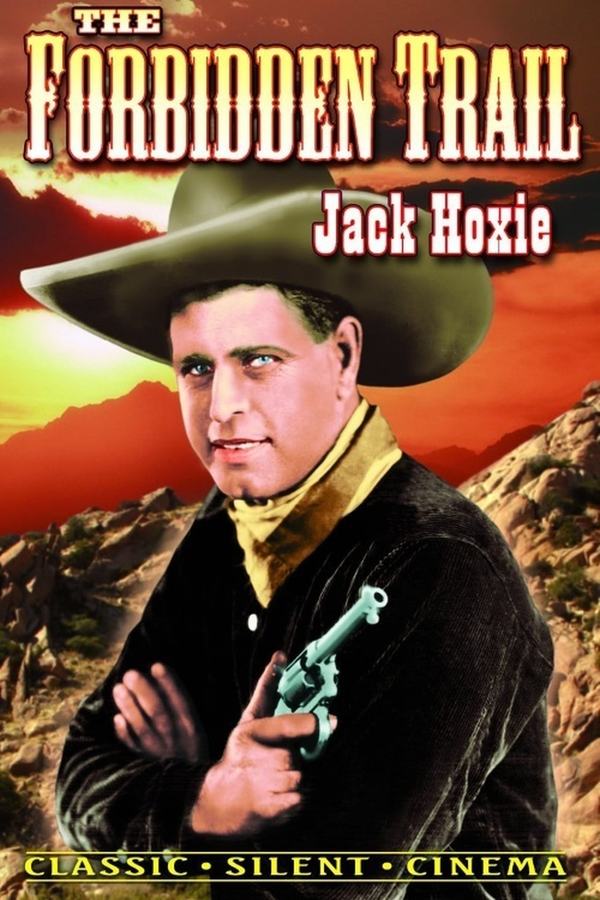
Director's Spotlight: United States
A Deep Dive into the 1923 Vision of Robert N. Bradbury
Few works in United States cinema carry the same weight as The Forbidden Trail, especially regarding the cultural zeitgeist captured so perfectly by Robert N. Bradbury in 1923. Utilizing a 1923-specific aesthetic that remains timeless, it serves as a blueprint for future generations of Drama directors.
In The Forbidden Trail, Robert N. Bradbury pushes the boundaries of conventional narrative. The film's unique approach to its subject matter has sparked endless debates and interpretations among cinephiles and critics alike.
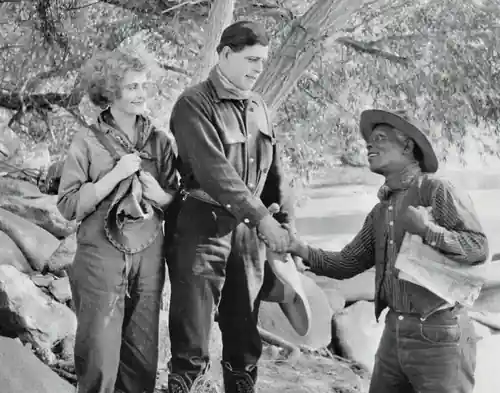
To fully appreciate The Forbidden Trail, one must consider the cinematic climate of 1923. During this period, United States was undergoing significant artistic shifts, and Robert N. Bradbury was at the forefront of this Drama movement, often challenging established norms.
| Cinematography | Noir-Inspired |
| Soundtrack | Diegetic |
| Editing | Rhythmic |
| Art Direction | Naturalist |
Visualizing the convergence of Robert N. Bradbury's style and the core Drama narrative.
When Red Hawk Dugan and his men attack a small wagon train, Colonel Merriwell is killed and the young girl Isobel taken and raised thinking Dugan is her father. Fifteen years later the Colonel's son Jack arrives looking for Dugan whom he learned killed his father. As he hunts for Dugan he meets and falls in love with Isobel only to then learn Dugan is her father.
Decades after its release, The Forbidden Trail remains a vital piece of the cinematic puzzle. Its influence can be seen in countless modern works, solidifying Robert N. Bradbury's status as a master of the craft in United States and beyond.