
DbcultAccessing Vault...
Director's Spotlight
Senior Film Conservator
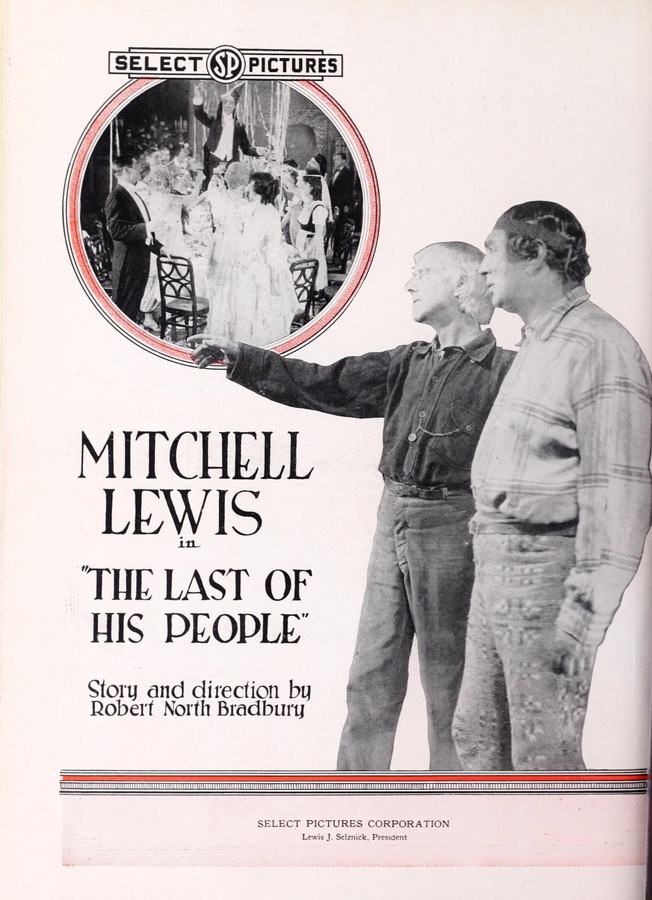
Director's Spotlight: United States
A Deep Dive into the 1919 Vision of Robert N. Bradbury
The enduring fascination with The Last of His People is a testament to the defining moment in cult history that Robert N. Bradbury helped create. This film stands as a masterclass in visual storytelling, it has cemented its place in the global cult cinema archive.
In The Last of His People, Robert N. Bradbury pushes the boundaries of conventional narrative. The film's unique approach to its subject matter has sparked endless debates and interpretations among cinephiles and critics alike.
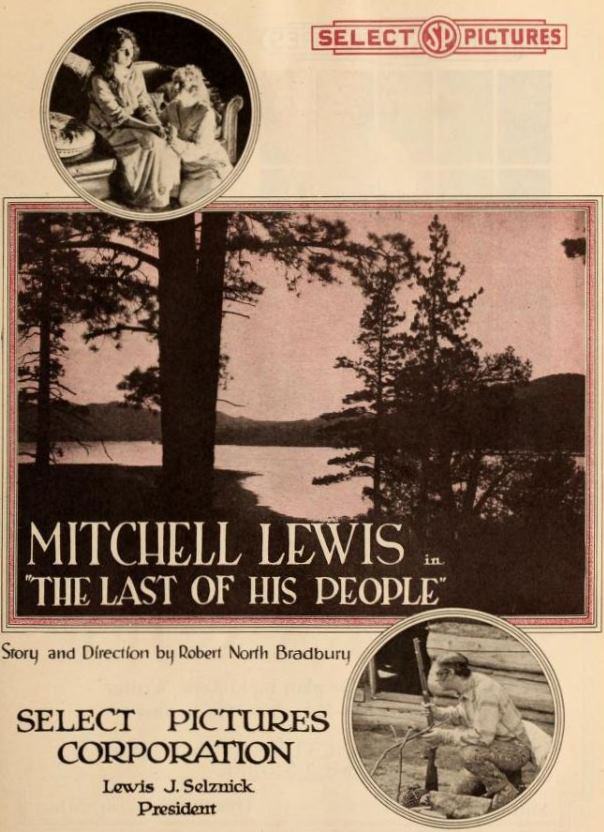
In this work, Robert N. Bradbury explores the intersection of cult and United States cultural identity. The meticulous attention to detail suggests a deep-seated commitment to pushing the boundaries of the medium, ensuring that The Last of His People remains a relevant topic of study for cult enthusiasts.
| Cinematography | High-Contrast |
| Soundtrack | Synth-Heavy |
| Editing | Rhythmic |
| Art Direction | Naturalist |
Visualizing the convergence of Robert N. Bradbury's style and the core cult narrative.
Lumberjack Anthony Briggs has lived alone in the Canadian North Woods ever since his wife took their daughter and ran off to New York City with Robert Lacey, the lumber camp foreman. One day he comes across young Indian chief Lone Wolf and his sister Na-ta-Le, whose tribe has been wiped out by a "spotted sickness", and adopts them. Years afterward Briggs' daughter, now a young woman, returns to lead a hunting party with her fiance, Lacey's son Reynard. Complications ensue.
Decades after its release, The Last of His People remains a vital piece of the cinematic puzzle. Its influence can be seen in countless modern works, solidifying Robert N. Bradbury's status as a master of the craft in United States and beyond.