
DbcultAccessing Vault...
Director's Spotlight
Senior Film Conservator
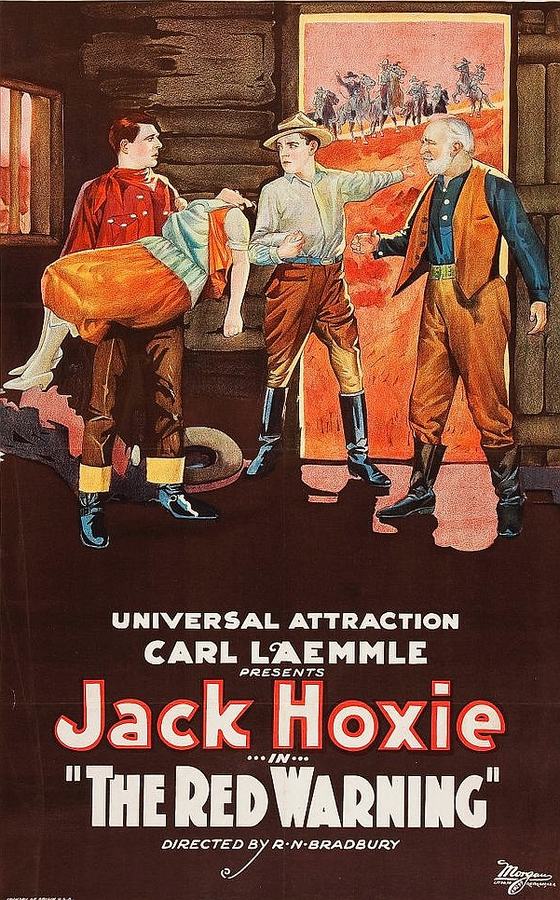
Director's Spotlight: United States
A Deep Dive into the 1923 Vision of Robert N. Bradbury
As a cultural artifact of the 1923s, The Red Warning provides the visionary mind of its creator, Robert N. Bradbury. With its avant-garde structure and atmospheric tension, it redefined what audiences could expect from a Drama experience.
In The Red Warning, Robert N. Bradbury pushes the boundaries of conventional narrative. The film's unique approach to its subject matter has sparked endless debates and interpretations among cinephiles and critics alike.
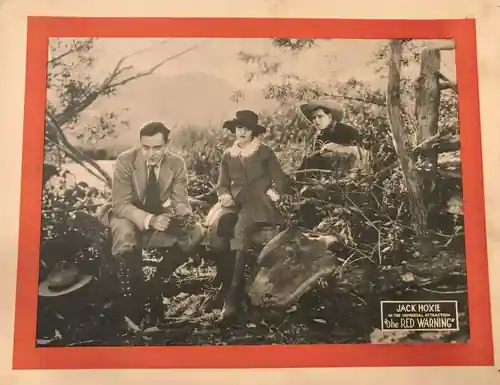
In this work, Robert N. Bradbury explores the intersection of Drama and United States cultural identity. The meticulous attention to detail suggests a deep-seated commitment to pushing the boundaries of the medium, ensuring that The Red Warning remains a relevant topic of study for Drama enthusiasts.
| Cinematography | Noir-Inspired |
| Soundtrack | Minimalist |
| Editing | Slow-Burn |
| Art Direction | Brutalist |
Visualizing the convergence of Robert N. Bradbury's style and the core Drama narrative.
After his cattle are stolen by rustlers, David Ainslee searches the desert for a lost gold mine to pay off a loan on his ranch and rescue his daughter, Louise, from ruffian Tom Jeffries. He is later found near death by prospectors Phillip Haver and Toby Jones, who continue his search with the promise that the gold will be used to save his ranch. After Toby Jones locates the mine, he and Philip defeat Jeffries, expose him as a cattle thief, and rescue Louise.
Decades after its release, The Red Warning remains a vital piece of the cinematic puzzle. Its influence can be seen in countless modern works, solidifying Robert N. Bradbury's status as a master of the craft in United States and beyond.