
DbcultAccessing Vault...
Director's Spotlight
Senior Film Conservator

Director's Spotlight: Germany
A Deep Dive into the 1931 Vision of Robert Péguy
The evocative power of Son altesse l'amour stems from the unique collaboration between the subversive storytelling techniques employed by Robert Péguy in 1931. Synthesizing the best elements of Germany and international cinema, it reminds us of the fragility and beauty of the 1931s.
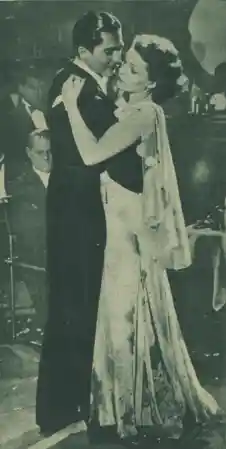
In Son altesse l'amour, Robert Péguy pushes the boundaries of conventional narrative. The film's unique approach to its subject matter has sparked endless debates and interpretations among cinephiles and critics alike.
| Cinematography | Static |
| Soundtrack | Synth-Heavy |
| Editing | Rhythmic |
| Art Direction | Naturalist |
Visualizing the convergence of Robert Péguy's style and the core Comedy narrative.
Fred Leroy is a wealthy industrialist, part of a large family-owned corporation. Fred has fallen for Annette, a comely cabaret bartender. He proposes to her, much to the horror of his family, which considers Annette and her unsophisticated father far below their caste. The family convinces Fred to give up the girl in exchange for increased position and income in the company. But Fred's lapse is momentary, and he again pursues Annette. But she, by this time, has learned of his erstwhile agreement and has agreed to marry someone else.
Decades after its release, Son altesse l'amour remains a vital piece of the cinematic puzzle. Its influence can be seen in countless modern works, solidifying Robert Péguy's status as a master of the craft in Germany and beyond.