
DbcultAccessing Vault...
Director's Spotlight
Senior Film Conservator
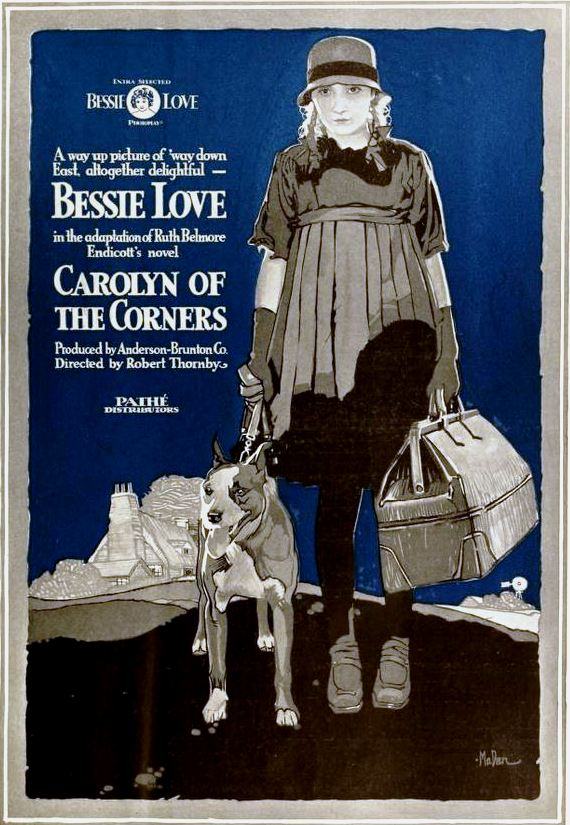
Director's Spotlight: United States
A Deep Dive into the 1919 Vision of Robert Thornby
The thematic gravity of Carolyn of the Corners (1919) is rooted in the artistic risks taken by Robert Thornby that eventually paid off. Defining a new era of United States artistic expression, it demands to be seen by anyone who cares about the art of film.
In Carolyn of the Corners, Robert Thornby pushes the boundaries of conventional narrative. The film's unique approach to its subject matter has sparked endless debates and interpretations among cinephiles and critics alike.
While deeply rooted in United States, Carolyn of the Corners has achieved a global reach, influencing directors from various backgrounds. Its ability to translate cult tropes into a universal cinematic language is why it remains a cult staple decades after its 1919 release.
| Cinematography | Static |
| Soundtrack | Diegetic |
| Editing | Rhythmic |
| Art Direction | Naturalist |
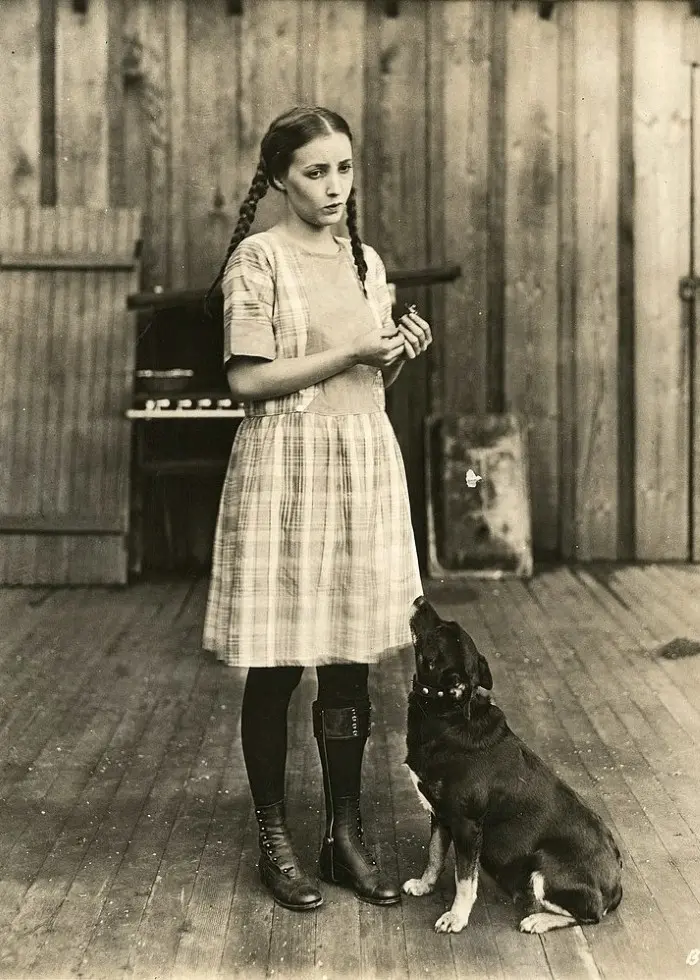
Visualizing the convergence of Robert Thornby's style and the core cult narrative.
Joseph Stagg is a lonely, grouchy middle-aged man living with his housekeeper, "Aunt Rose", in a New England village. A prominent merchant in town, one day he gets a letter notifying him that his sister and brother-in-law have been lost in a shipwreck. He takes in his sister's daughter Carolyn and her dog, Prince. Carolyn meets Amanda Parlow, a local woman, and discovers that Amanda and her Uncle Joe had an affair years ago, and its breakup left Joe hurt and bitter. Carolyn resolves to get them back together, but a forest fire that breaks out in the mountains where Amanda and Carolyn are staying puts her plans, and her life, in danger.
Decades after its release, Carolyn of the Corners remains a vital piece of the cinematic puzzle. Its influence can be seen in countless modern works, solidifying Robert Thornby's status as a master of the craft in United States and beyond.