
DbcultAccessing Vault...
Director's Spotlight
Senior Film Conservator
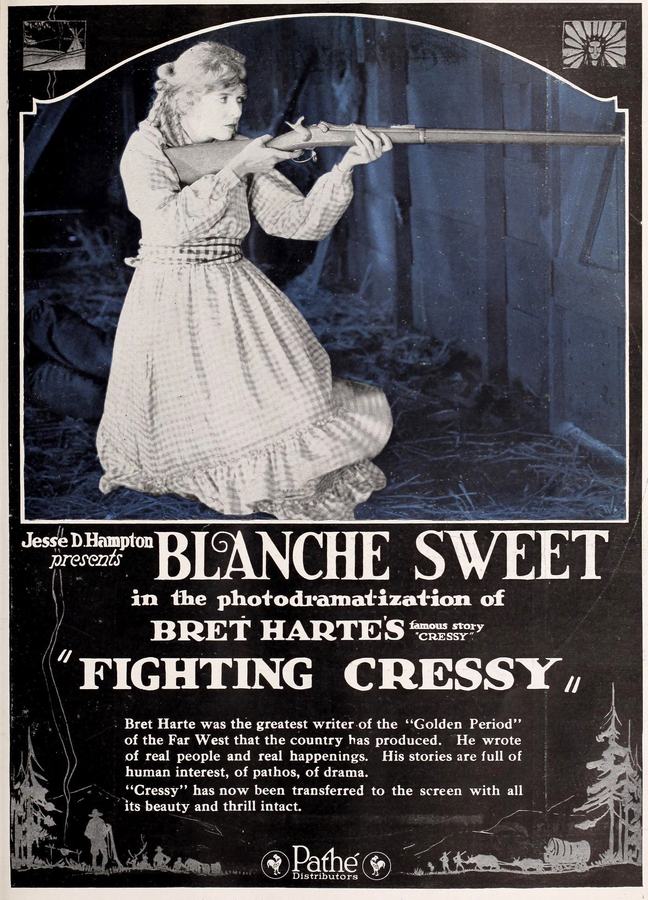
Director's Spotlight: United States
A Deep Dive into the 1919 Vision of Robert Thornby
Few works in United States cinema carry the same weight as Fighting Cressy, especially regarding the cultural zeitgeist captured so perfectly by Robert Thornby in 1919. Utilizing a 1919-specific aesthetic that remains timeless, it serves as a blueprint for future generations of cult directors.
In Fighting Cressy, Robert Thornby pushes the boundaries of conventional narrative. The film's unique approach to its subject matter has sparked endless debates and interpretations among cinephiles and critics alike.
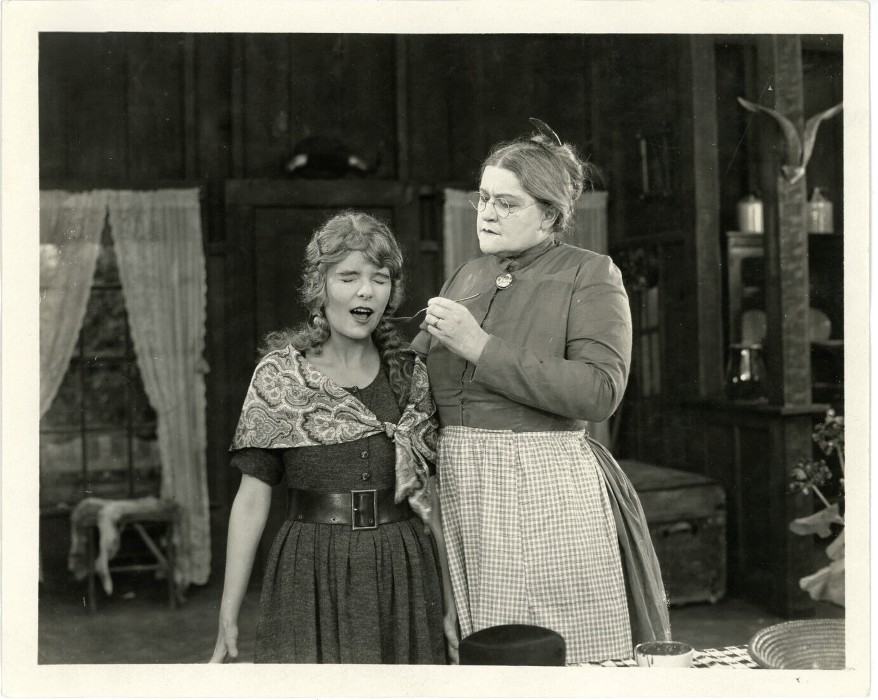
In this work, Robert Thornby explores the intersection of cult and United States cultural identity. The meticulous attention to detail suggests a deep-seated commitment to pushing the boundaries of the medium, ensuring that Fighting Cressy remains a relevant topic of study for cult enthusiasts.
| Cinematography | Deep Focus |
| Soundtrack | Minimalist |
| Editing | Slow-Burn |
| Art Direction | Brutalist |
Visualizing the convergence of Robert Thornby's style and the core cult narrative.
A feud over boundaries between the McKinstry and Harrison families, both from Kentucky, but squatting in California in search of gold, has caused Cressy McKinstry to show disdain for Joe Masters, a cousin of the Harrisons, even though she secretly loves him. Nellie Dabney, who left her husband Ben for city-bred John Ford but then was deserted by him, returns and is rejected by Ford, who is now the schoolteacher of the settlement and is attracted to Cressy. After Ben fights Ford and takes Nellie back, Cressy schemes with Ben for him to buy the land in her name. A San Franciscan representative of the legal owner arrives to take possession and provokes a fight at the boundary line which leaves Joe with a bullet in his arm. Cressy proves that the land belongs to her and Joe, who she will soon marry, and the families are reconciled.
Decades after its release, Fighting Cressy remains a vital piece of the cinematic puzzle. Its influence can be seen in countless modern works, solidifying Robert Thornby's status as a master of the craft in United States and beyond.