
DbcultAccessing Vault...
Director's Spotlight
Senior Film Conservator
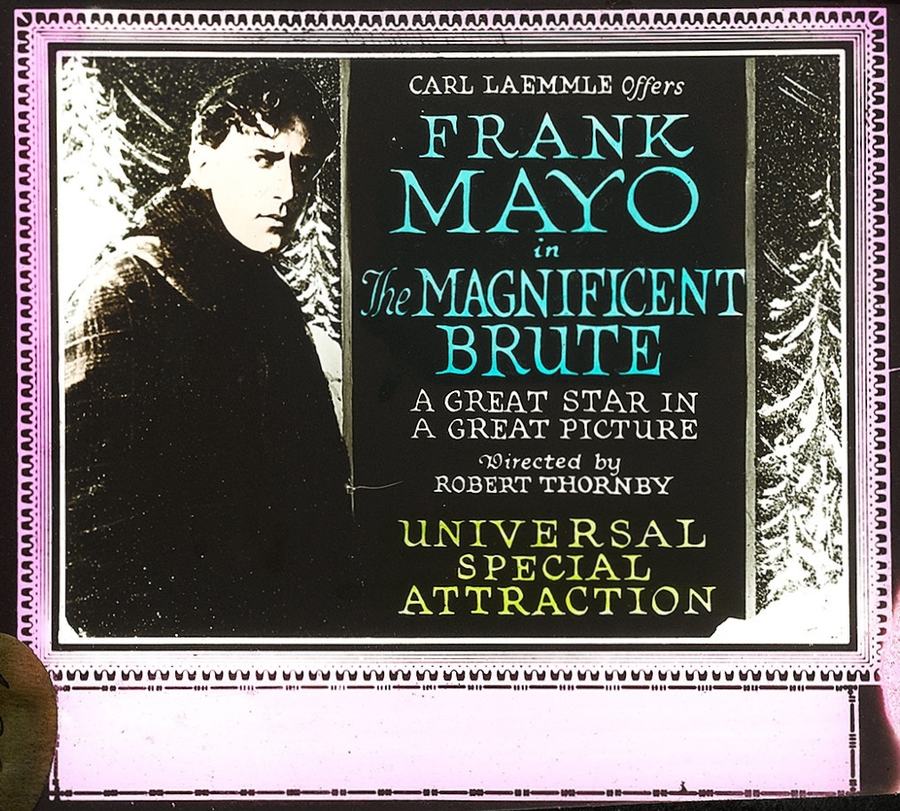
Director's Spotlight: United States
A Deep Dive into the 1921 Vision of Robert Thornby
Few works in United States cinema carry the same weight as The Magnificent Brute, especially regarding the cultural zeitgeist captured so perfectly by Robert Thornby in 1921. Utilizing a 1921-specific aesthetic that remains timeless, it serves as a blueprint for future generations of Drama directors.
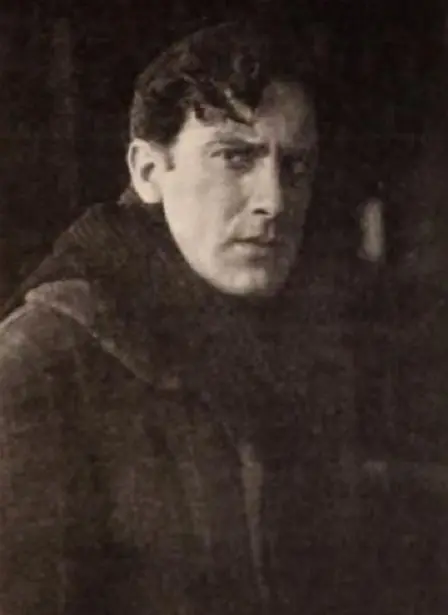
In The Magnificent Brute, Robert Thornby pushes the boundaries of conventional narrative. The film's unique approach to its subject matter has sparked endless debates and interpretations among cinephiles and critics alike.
| Cinematography | Noir-Inspired |
| Soundtrack | Diegetic |
| Editing | Elliptical |
| Art Direction | Expressionist |
Visualizing the convergence of Robert Thornby's style and the core Drama narrative.
French Canadian trapper Victor Raoul returns to the trading post at St. Ignace to find a rival for the affections of Yvonne, his business partner's daughter, in the Marquis Courtière, Parisian representative of the fur company. Raoul quarrels with Fontaine over the visitor's business dealings and his attentions to Yvonne. When Fontaine is later attacked and robbed, Victor is framed by the agent and almost lynched, but he is saved by a statement from Yvonne and the arrival of the Mounted Police.
Decades after its release, The Magnificent Brute remains a vital piece of the cinematic puzzle. Its influence can be seen in countless modern works, solidifying Robert Thornby's status as a master of the craft in United States and beyond.