
DbcultAccessing Vault...
Director's Spotlight
Senior Film Conservator
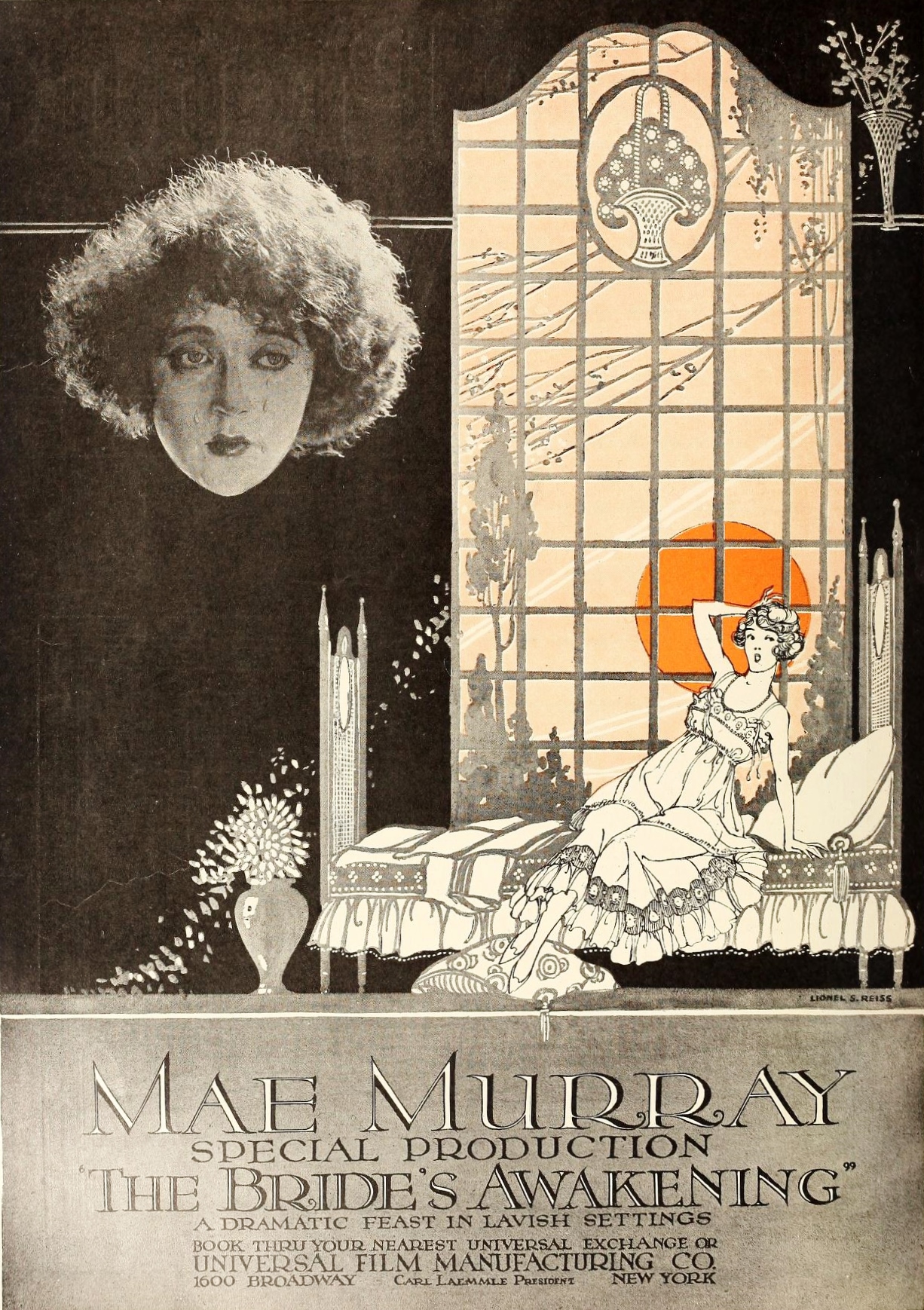
Director's Spotlight: United States
A Deep Dive into the 1918 Vision of Robert Z. Leonard
Analyzing The Bride's Awakening (1918) requires a deep dive into the defining moment in cult history that Robert Z. Leonard helped create. Defining a new era of United States artistic expression, it transcends regional boundaries to tell a universal story.
In The Bride's Awakening, Robert Z. Leonard pushes the boundaries of conventional narrative. The film's unique approach to its subject matter has sparked endless debates and interpretations among cinephiles and critics alike.
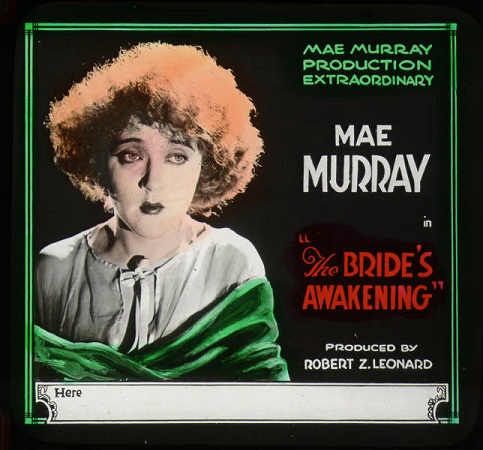
In this work, Robert Z. Leonard explores the intersection of cult and United States cultural identity. The meticulous attention to detail suggests a deep-seated commitment to pushing the boundaries of the medium, ensuring that The Bride's Awakening remains a relevant topic of study for cult enthusiasts.
| Cinematography | Static |
| Soundtrack | Minimalist |
| Editing | Slow-Burn |
| Art Direction | Brutalist |
Visualizing the convergence of Robert Z. Leonard's style and the core cult narrative.
When Richard Earle marries Elaine Bronson for her money, he orders her to keep the marriage a secret so that he may continue his affair with a married woman, Lucille Bennett. Jimmy Newton falls in love with Elaine and takes her to his home after she is injured in a car accident. When Richard discovers the two together, he beats Elaine, until Lucille, having discovered Richard's duplicity and cruelty, enters the house and shoots him. Free of Richard, Elaine becomes engaged to Jimmy.
Decades after its release, The Bride's Awakening remains a vital piece of the cinematic puzzle. Its influence can be seen in countless modern works, solidifying Robert Z. Leonard's status as a master of the craft in United States and beyond.