
DbcultAccessing Vault...
Director's Spotlight
Senior Film Conservator
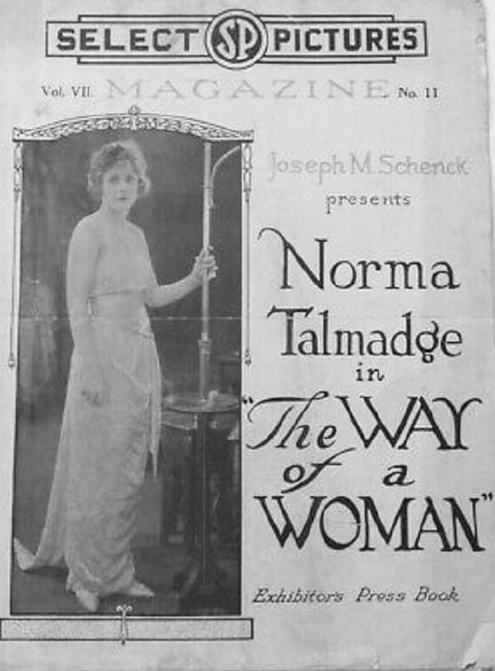
Director's Spotlight: United States
A Deep Dive into the 1919 Vision of Robert Z. Leonard
Under the meticulous guidance of Robert Z. Leonard, The Way of a Woman became the cultural zeitgeist captured so perfectly by Robert Z. Leonard in 1919. Driven by an uncompromising commitment to cult excellence, it remains a vital reference point for anyone studying the evolution of Robert Z. Leonard.
In The Way of a Woman, Robert Z. Leonard pushes the boundaries of conventional narrative. The film's unique approach to its subject matter has sparked endless debates and interpretations among cinephiles and critics alike.
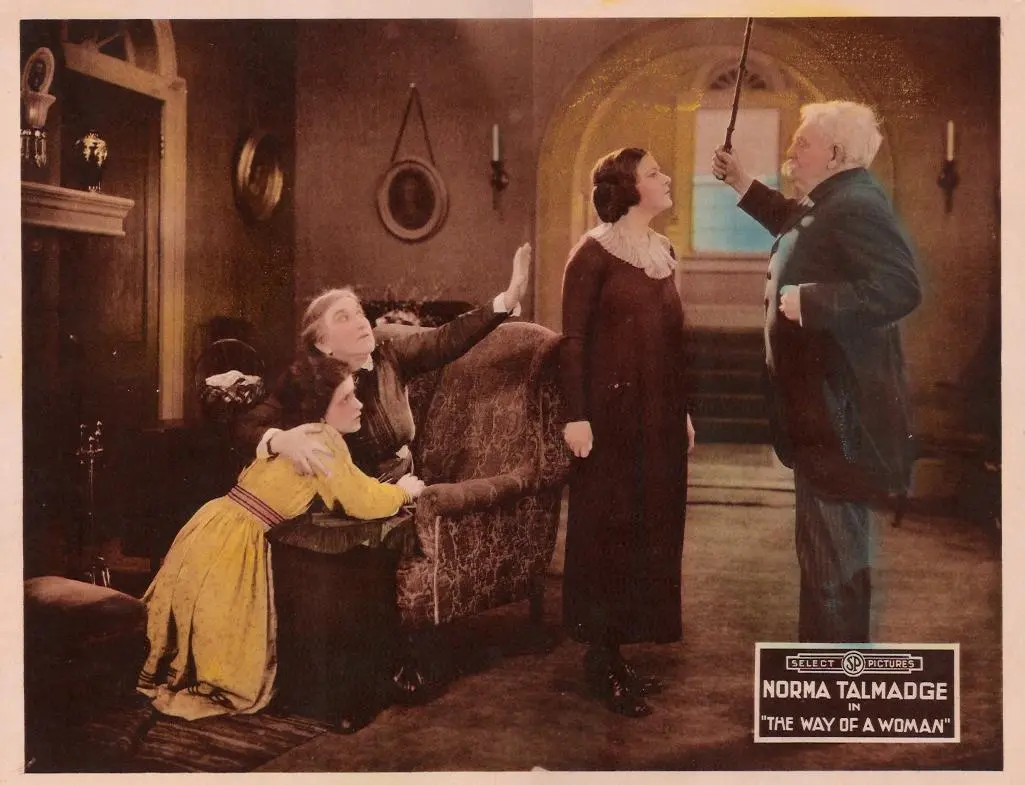
While deeply rooted in United States, The Way of a Woman has achieved a global reach, influencing directors from various backgrounds. Its ability to translate cult tropes into a universal cinematic language is why it remains a cult staple decades after its 1919 release.
| Cinematography | Static |
| Soundtrack | Diegetic |
| Editing | Rhythmic |
| Art Direction | Naturalist |
Visualizing the convergence of Robert Z. Leonard's style and the core cult narrative.
Nancy Lee is a well-bred member of the Virginia aristocracy. Her father forbids her marriage to the man she loves for reasons of social inequality. She consents to marry a wealthy man on her social plane in order to help her family out of difficulty, but he eventually leaves her a desolate widow in New York. Her efforts to extricate herself from this dilemma further subject her to shame, and disaster looms unless the young man she loved can save her.
Decades after its release, The Way of a Woman remains a vital piece of the cinematic puzzle. Its influence can be seen in countless modern works, solidifying Robert Z. Leonard's status as a master of the craft in United States and beyond.