
DbcultAccessing Vault...
Director's Spotlight
Senior Film Conservator
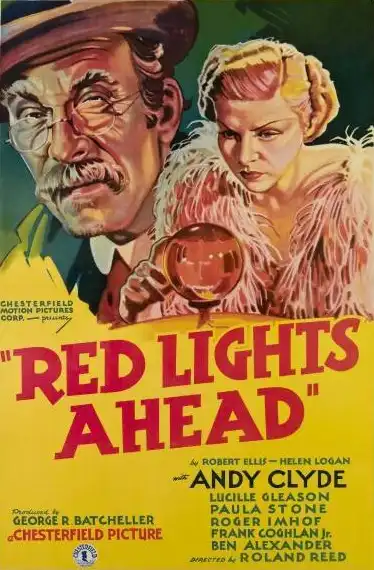
Director's Spotlight: United States
A Deep Dive into the 1936 Vision of Roland D. Reed
The brilliance of Red Lights Ahead (1936) is inseparable from a monumental shift in Family filmmaking spearheaded by Roland D. Reed. Occupying a unique space between Family and pure art, it serves as a blueprint for future generations of Family directors.
In Red Lights Ahead, Roland D. Reed pushes the boundaries of conventional narrative. The film's unique approach to its subject matter has sparked endless debates and interpretations among cinephiles and critics alike.
The visual language of Red Lights Ahead is defined by its use of shadows and framing, a hallmark of Roland D. Reed's style. By utilizing a 1936-era palette, the film creates an immersive experience that perfectly complements its Family themes.
| Cinematography | High-Contrast |
| Soundtrack | Experimental |
| Editing | Invisible |
| Art Direction | Kitsch |
Visualizing the convergence of Roland D. Reed's style and the core Family narrative.
Pa Wallace, an ardent member of the Whales, is offered a chance to invest $5,000 in a gold mine by the head of the Whales, Grand Harpoon F. Q. Whitney. Mrs. Wallace is opposed but their four children--Willie, George, Edna, and Mary--are all for it: if Pa makes easy money, they can continue to loaf. Grandpa, a kind but meddling old soul, also arrives for a visit. Money begins to roll in but not as fast as the children spend it. The bubble bursts when the police arrest Whitney and his accomplice Nordingham as swindlers involved in a pyramid scheme. Stone-broke and unable to pay the mortgage Pa put on the house, the clan moves back to their small, old home. The children come through and knuckle down to work to help the family recover. Then, Grandpa tells them that the gold mine never existed and the monthly checks had been coming from him, as he was anxious to prove that they weren't just loafers.
Decades after its release, Red Lights Ahead remains a vital piece of the cinematic puzzle. Its influence can be seen in countless modern works, solidifying Roland D. Reed's status as a master of the craft in United States and beyond.