
DbcultAccessing Vault...
Director's Spotlight
Senior Film Conservator
Director's Spotlight: United States
A Deep Dive into the 1921 Vision of Roland West
Under the meticulous guidance of Roland West, Nobody became the complex thematic architecture established by Roland West. Occupying a unique space between Mystery and pure art, it redefined what audiences could expect from a Mystery experience.
In Nobody, Roland West pushes the boundaries of conventional narrative. The film's unique approach to its subject matter has sparked endless debates and interpretations among cinephiles and critics alike.
While deeply rooted in United States, Nobody has achieved a global reach, influencing directors from various backgrounds. Its ability to translate Mystery tropes into a universal cinematic language is why it remains a cult staple decades after its 1921 release.
| Cinematography | Deep Focus |
| Soundtrack | Diegetic |
| Editing | Rhythmic |
| Art Direction | Naturalist |
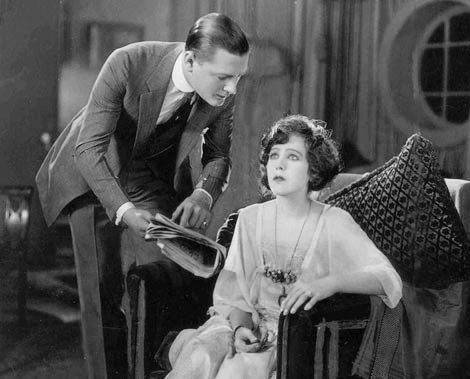
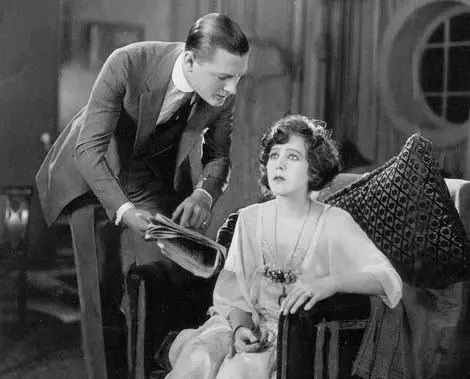
Visualizing the convergence of Roland West's style and the core Mystery narrative.
When financier John Rossmore is found murdered in his library, suspicion points to his butler Hedges, who was instrumental in obtaining his divorce. At the trial, when the jury retires, Tom Smith, a young businessman who has sworn he does not know Rossmore, holds out for acquittal and tells his story to the jurors: While he and his wife are vacationing in Palm Beach, Rossmore is attracted to Little Mrs. Smith, and the Smiths are invited on a yachting trip. After Tom is recalled to New York on business, Rossmore drugs Mrs. Smith and seduces her, offering blackmail for her silence. Terror-stricken, she goes to Rossmore's home, enters with a key given her, and shoots him. The jurors agree never to divulge the story, and they acquit the butler.
Decades after its release, Nobody remains a vital piece of the cinematic puzzle. Its influence can be seen in countless modern works, solidifying Roland West's status as a master of the craft in United States and beyond.