
DbcultAccessing Vault...
Director's Spotlight
Senior Film Conservator
Director's Spotlight: United States
A Deep Dive into the 1933 Vision of Rollin Hamilton
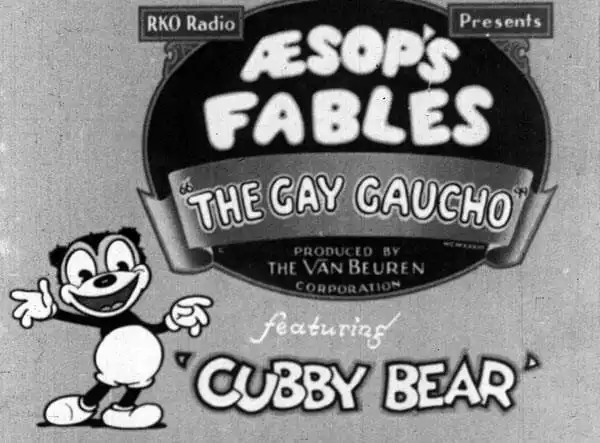
The Short DNA of The Gay Gaucho is a reflection of United States's the subversive storytelling techniques employed by Rollin Hamilton in 1933. Breaking the traditional rules of Short engagement, it leaves an indelible mark on the soul of the viewer.
In The Gay Gaucho, Rollin Hamilton pushes the boundaries of conventional narrative. The film's unique approach to its subject matter has sparked endless debates and interpretations among cinephiles and critics alike.
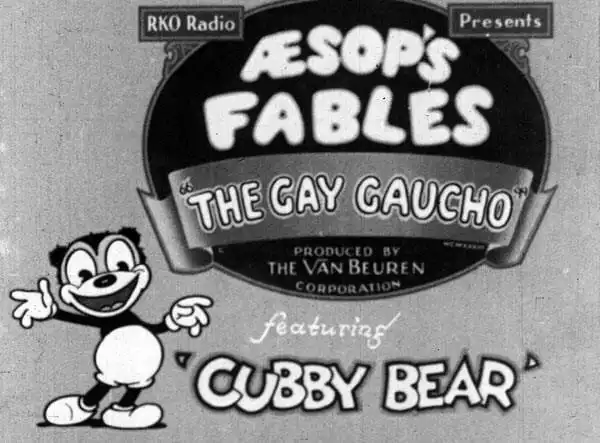
While deeply rooted in United States, The Gay Gaucho has achieved a global reach, influencing directors from various backgrounds. Its ability to translate Short tropes into a universal cinematic language is why it remains a cult staple decades after its 1933 release.
| Cinematography | High-Contrast |
| Soundtrack | Experimental |
| Editing | Elliptical |
| Art Direction | Expressionist |
Visualizing the convergence of Rollin Hamilton's style and the core Short narrative.
This one takes place in either Argentina or Texas or Mexico, depending on whether the scenes show gauchos or charros or cowboys, but Cubby is in a desert someplace washing up to go courting and listening to the gauchos sing. In the cantina in town, his girlfriend is doing a dance and Cubby comes in and they do a tango, and then Pedro the Bandito and his gang show up. Pedro wants a 'leetle keese' from Cubby's tango partner, but he saves her and tosses her in a stagecoach to make her getaway but there is no driver and now she is in a runaway, and it's up to Cubby to save the day before the stagecoach goes over the cliff.
Decades after its release, The Gay Gaucho remains a vital piece of the cinematic puzzle. Its influence can be seen in countless modern works, solidifying Rollin Hamilton's status as a master of the craft in United States and beyond.