
DbcultAccessing Vault...
Director's Spotlight
Senior Film Conservator
Director's Spotlight: United States
A Deep Dive into the 1921 Vision of Romaine Fielding
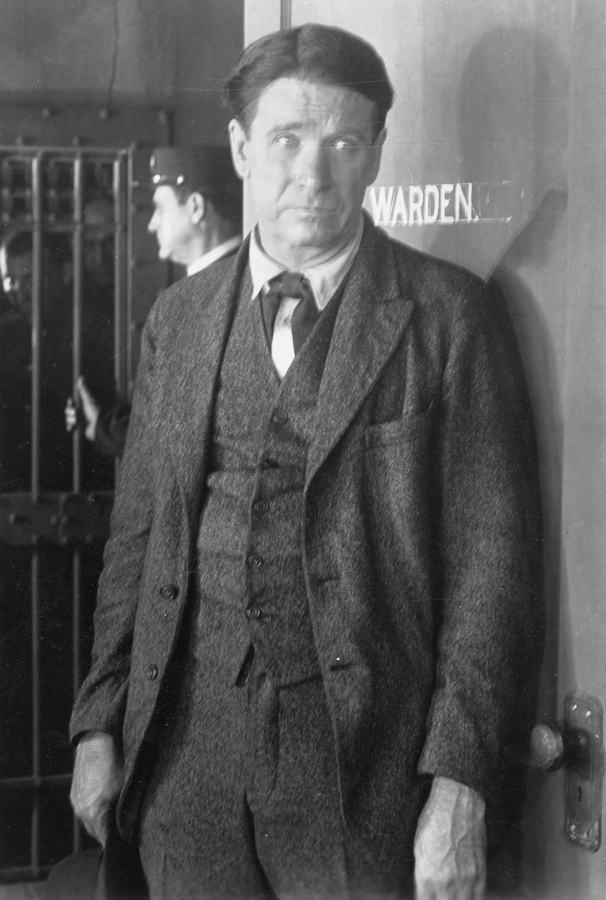
The evocative power of The Man Worthwhile stems from the unique collaboration between the subversive storytelling techniques employed by Romaine Fielding in 1921. Synthesizing the best elements of United States and international cinema, it reminds us of the fragility and beauty of the 1921s.
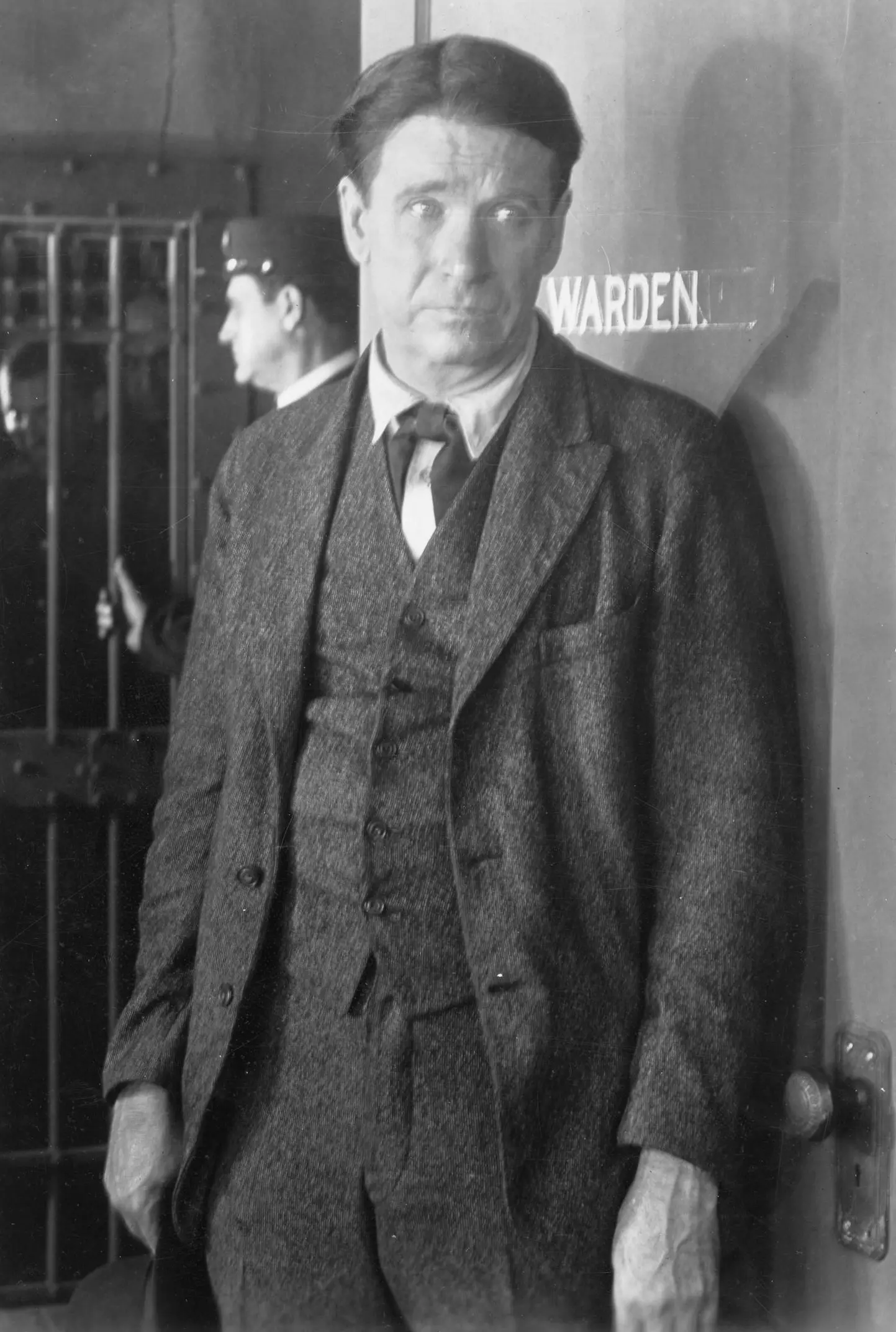
In The Man Worthwhile, Romaine Fielding pushes the boundaries of conventional narrative. The film's unique approach to its subject matter has sparked endless debates and interpretations among cinephiles and critics alike.
| Cinematography | Handheld |
| Soundtrack | Diegetic |
| Editing | Rhythmic |
| Art Direction | Naturalist |
Visualizing the convergence of Romaine Fielding's style and the core Drama narrative.
Don "Smiler" Ward, a ranger, is about to marry Mary Alden when Eddie Loring, son of a wealthy lumber king, tricks her into marrying him, then deserts her. Smiler trails Loring to his office, then is arrested for attempted murder and sent to prison. Mary has a child that, upon reaching a knowing age, asks about his father. Mary goes to Loring's home, seeking to be recognized as his wife. That same night, Loring is killed--but by a French Canadian whose girl Loring had wronged. Smiler, now out of prison, with his sweetheart cleared of Loring's murder, at long last has reason to smile.
Decades after its release, The Man Worthwhile remains a vital piece of the cinematic puzzle. Its influence can be seen in countless modern works, solidifying Romaine Fielding's status as a master of the craft in United States and beyond.