
DbcultAccessing Vault...
Director's Spotlight
Senior Film Conservator
Director's Spotlight: United States
A Deep Dive into the 1918 Vision of Roy Clements
The artistic breakthrough represented by Crown Jewels in 1918 highlights the philosophical inquiries that Roy Clements embeds within the narrative. Framed by the hauntingly beautiful landscapes of the production, it leaves an indelible mark on the soul of the viewer.
In Crown Jewels, Roy Clements pushes the boundaries of conventional narrative. The film's unique approach to its subject matter has sparked endless debates and interpretations among cinephiles and critics alike.
| Cinematography | Deep Focus |
| Soundtrack | Synth-Heavy |
| Editing | Rhythmic |
| Art Direction | Naturalist |
Visualizing the convergence of Roy Clements's style and the core cult narrative.
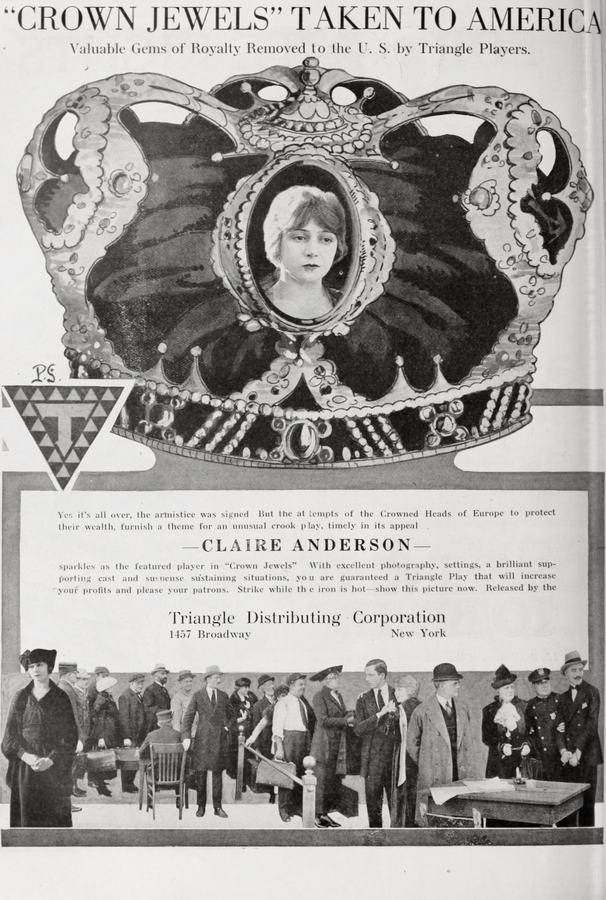
When a revolution breaks out in a small European monarchy, the king sends his crown jewels to an American banker, Maxwell Grey, to keep them out of danger. However, Madame Levine, the head of an international jewel theft ring, finds out and plans to steal the jewels. She poses as a wealthy society matron and befriends Grey. Young French refugee Diana De Lille, who at first was taken in by Madame Levine, begins to suspect that the woman is not who she says she is, and confides her suspicions to Kenneth Grey, the banker's son, who has fallen in love with her.
Decades after its release, Crown Jewels remains a vital piece of the cinematic puzzle. Its influence can be seen in countless modern works, solidifying Roy Clements's status as a master of the craft in United States and beyond.