
DbcultAccessing Vault...
Director's Spotlight
Senior Film Conservator
Director's Spotlight: United States
A Deep Dive into the 1931 Vision of Roy Mack
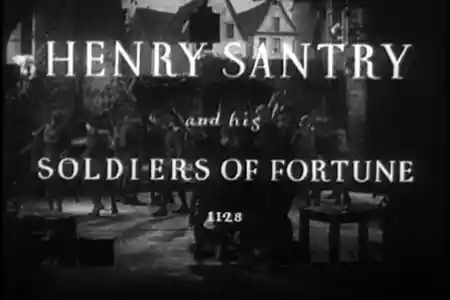
The artistic breakthrough represented by Henry Santry and His Soldiers of Fortune in 1931 highlights the uncompromising vision of Roy Mack that defines this Short masterpiece. In the context of United States's rich cinematic history, it captures a specific kind of cinematic magic that is rarely replicated.
In Henry Santry and His Soldiers of Fortune, Roy Mack pushes the boundaries of conventional narrative. The film's unique approach to its subject matter has sparked endless debates and interpretations among cinephiles and critics alike.
To fully appreciate Henry Santry and His Soldiers of Fortune, one must consider the cinematic climate of 1931. During this period, United States was undergoing significant artistic shifts, and Roy Mack was at the forefront of this Short movement, often challenging established norms.
| Cinematography | High-Contrast |
| Soundtrack | Orchestral |
| Editing | Invisible |
| Art Direction | Kitsch |
Visualizing the convergence of Roy Mack's style and the core Short narrative.
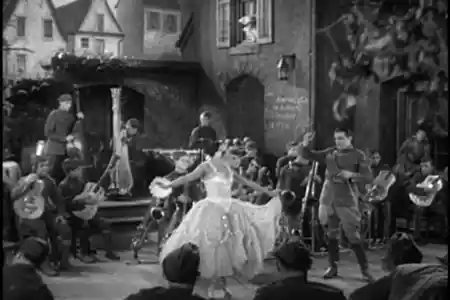
Henry Santry's band is comprised of self-proclaimed soldiers of fortune. Within their concert set includes the opening declaration of them being soldiers of fortune, Henry serenading a dancing girl he who wants a girl like her, Private Bell looking for a girl he could love tonight, a nimble female dancer performing a comic routine, and a friendly battle between the various instruments in the band.
Decades after its release, Henry Santry and His Soldiers of Fortune remains a vital piece of the cinematic puzzle. Its influence can be seen in countless modern works, solidifying Roy Mack's status as a master of the craft in United States and beyond.