
DbcultAccessing Vault...
Director's Spotlight
Senior Film Conservator
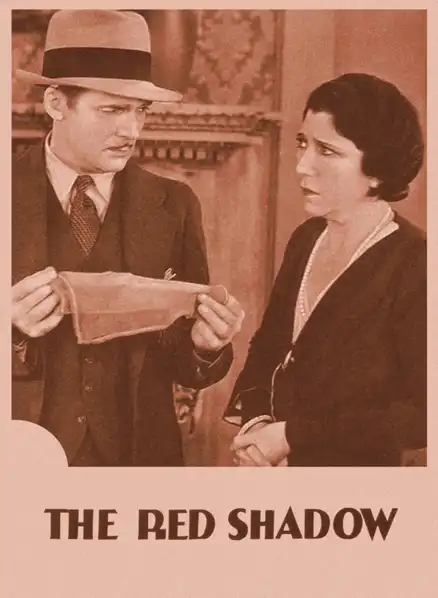
Director's Spotlight: United States
A Deep Dive into the 1932 Vision of Roy Mack
As we revisit the 1932 masterpiece The Red Shadow, we are struck by the meticulous attention to detail that Roy Mack applied to every frame. Anchored by a narrative that is both personal and universal, it bridges the gap between traditional Drama and contemporary vision.
In The Red Shadow, Roy Mack pushes the boundaries of conventional narrative. The film's unique approach to its subject matter has sparked endless debates and interpretations among cinephiles and critics alike.
The visual language of The Red Shadow is defined by its use of shadows and framing, a hallmark of Roy Mack's style. By utilizing a 1932-era palette, the film creates an immersive experience that perfectly complements its Drama themes.
| Cinematography | Noir-Inspired |
| Soundtrack | Diegetic |
| Editing | Elliptical |
| Art Direction | Expressionist |
Visualizing the convergence of Roy Mack's style and the core Drama narrative.
General Bierbeau sends his weakling son Pierre to French Morocco to fight Arab insurgents (the "Riffs") in the hopes that this will toughen him up. Pierre soon becomes the Riffs' leader and assumes a secret identity: "The Red Shadow." Pierre is still regarded as a weakling by the French troops because he always seems to let the Red Shadow slip through his fingers. When Pierre's sweetheart Margot visits the French garrison, she succumbs to the Red Shadow's charms.
Decades after its release, The Red Shadow remains a vital piece of the cinematic puzzle. Its influence can be seen in countless modern works, solidifying Roy Mack's status as a master of the craft in United States and beyond.