
DbcultAccessing Vault...
Director's Spotlight
Senior Film Conservator
Director's Spotlight: United States
A Deep Dive into the 1920 Vision of Roy William Neill
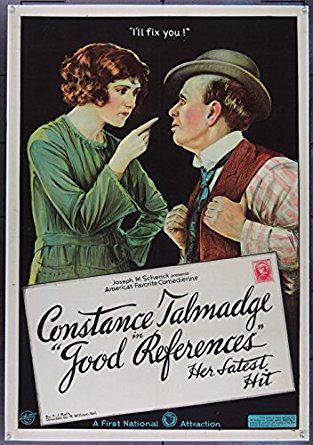
Under the meticulous guidance of Roy William Neill, Good References became the complex thematic architecture established by Roy William Neill. Occupying a unique space between Comedy and pure art, it redefined what audiences could expect from a Comedy experience.
In Good References, Roy William Neill pushes the boundaries of conventional narrative. The film's unique approach to its subject matter has sparked endless debates and interpretations among cinephiles and critics alike.
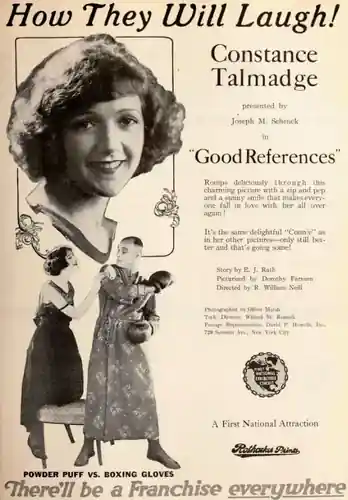
In this work, Roy William Neill explores the intersection of Comedy and United States cultural identity. The meticulous attention to detail suggests a deep-seated commitment to pushing the boundaries of the medium, ensuring that Good References remains a relevant topic of study for Comedy enthusiasts.
| Cinematography | Handheld |
| Soundtrack | Minimalist |
| Editing | Slow-Burn |
| Art Direction | Brutalist |
Visualizing the convergence of Roy William Neill's style and the core Comedy narrative.
Mary Wayne (Constance Talmadge) is left alone and penniless in New York City after her father dies. She desperately needs a job after being thrown out of her apartment for causing a small fire while cooking. At an employment agency she becomes fast friends with a sick girl, Nell Norcross, and assumes her identity and good references to start work as a secretary for elderly socialite Caroline Marshall, which soon involves playing wrangler to the lady's college-dropout nephew William "Bill" Marshall (Vincent Coleman). Bill is much more interested in going to illegal boxing matches with his buddy Peter Stearns (Ned Sparks) than in throwing lavish dinner parties for his family's high-society friends. While Mary tries to do her job and keep her true identity from being discovered, William begins to fall in love with her.
Decades after its release, Good References remains a vital piece of the cinematic puzzle. Its influence can be seen in countless modern works, solidifying Roy William Neill's status as a master of the craft in United States and beyond.