
DbcultAccessing Vault...
Director's Spotlight
Senior Film Conservator
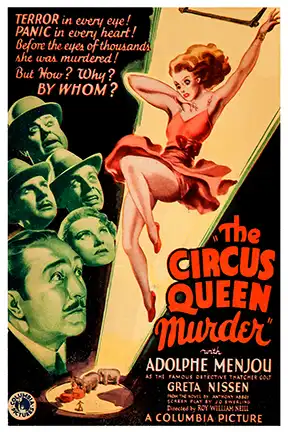
Director's Spotlight: United States
A Deep Dive into the 1933 Vision of Roy William Neill
To understand the modern evolution of United States film, one must first look at The Circus Queen Murder and the collaborative alchemy between Roy William Neill and the 1933 creative team. Subverting the expectations of the typical 1933 audience, it remains a vital reference point for anyone studying the evolution of Roy William Neill.
In The Circus Queen Murder, Roy William Neill pushes the boundaries of conventional narrative. The film's unique approach to its subject matter has sparked endless debates and interpretations among cinephiles and critics alike.
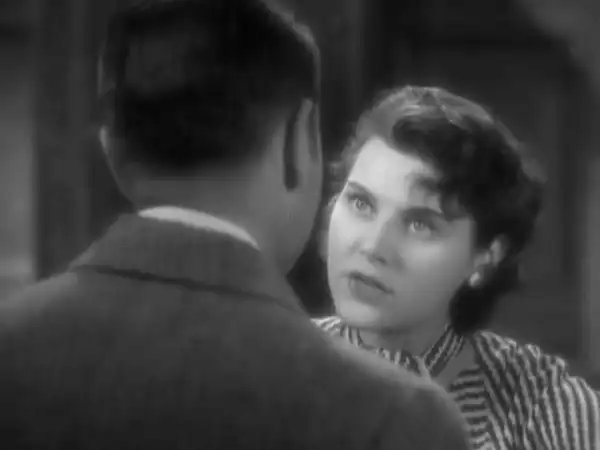
While deeply rooted in United States, The Circus Queen Murder has achieved a global reach, influencing directors from various backgrounds. Its ability to translate Drama tropes into a universal cinematic language is why it remains a cult staple decades after its 1933 release.
| Cinematography | High-Contrast |
| Soundtrack | Experimental |
| Editing | Elliptical |
| Art Direction | Expressionist |
Visualizing the convergence of Roy William Neill's style and the core Drama narrative.
Suave, lip-reading DA Thatcher Colt plans to get away from the big city for a while. So he and his secretary, Miss Kelly hop on a train for an Upstate NY town called Gilead. They expect a calm oasis, but when a small time circus rolls into town they soon find themselves caught up in a sordid tale of marital infidelity, murder, cruelty to animals, and cannibalism.
Decades after its release, The Circus Queen Murder remains a vital piece of the cinematic puzzle. Its influence can be seen in countless modern works, solidifying Roy William Neill's status as a master of the craft in United States and beyond.