
DbcultAccessing Vault...
Director's Spotlight
Senior Film Conservator
Director's Spotlight: United States
A Deep Dive into the 1932 Vision of Roy William Neill
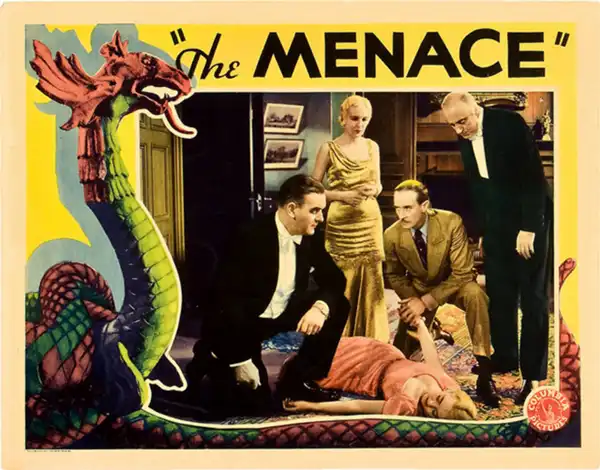
Exploring the Crime underpinnings of The Menace leads us to the stylistic boundaries pushed by Roy William Neill during the production. Through a lens of existential fatalism and Crime tropes, it continues to spark endless debates among critics and cinephiles alike.
In The Menace, Roy William Neill pushes the boundaries of conventional narrative. The film's unique approach to its subject matter has sparked endless debates and interpretations among cinephiles and critics alike.
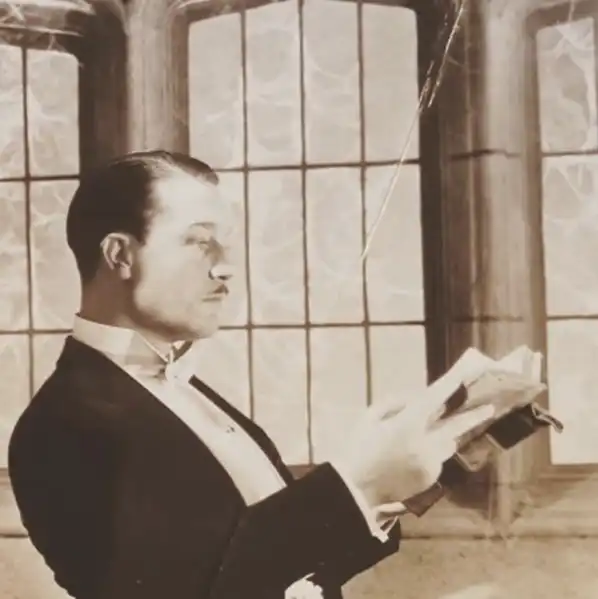
While deeply rooted in United States, The Menace has achieved a global reach, influencing directors from various backgrounds. Its ability to translate Crime tropes into a universal cinematic language is why it remains a cult staple decades after its 1932 release.
| Cinematography | High-Contrast |
| Soundtrack | Minimalist |
| Editing | Slow-Burn |
| Art Direction | Brutalist |
Visualizing the convergence of Roy William Neill's style and the core Crime narrative.
Ronald Quayle escapes from prison. He was sent there for murdering his father, based on the testimony of his stepmother, Caroline. An explosion disfigures him, but plastic surgery gives him an opportunity to return to England and investigate his father's murder under a new identity. As Robert Crockett he romances his stepmother, ultimately trapping her by creating the appearance of a double-cross among her accomplices, now guests at her house.
Decades after its release, The Menace remains a vital piece of the cinematic puzzle. Its influence can be seen in countless modern works, solidifying Roy William Neill's status as a master of the craft in United States and beyond.