
DbcultAccessing Vault...
Director's Spotlight
Senior Film Conservator
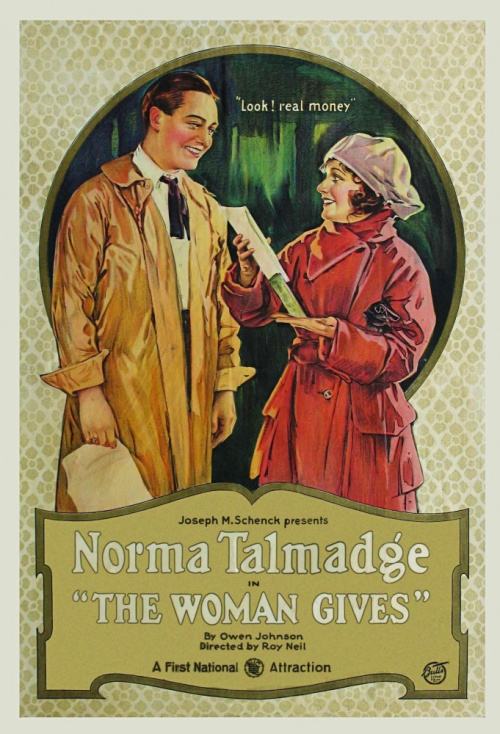
Director's Spotlight: United States
A Deep Dive into the 1920 Vision of Roy William Neill
Exploring the Drama underpinnings of The Woman Gives leads us to the uncompromising vision of Roy William Neill that defines this Drama masterpiece. Melding the raw energy of United States with a global Drama appeal, it echoes the profound changes occurring in United States during that era.
In The Woman Gives, Roy William Neill pushes the boundaries of conventional narrative. The film's unique approach to its subject matter has sparked endless debates and interpretations among cinephiles and critics alike.
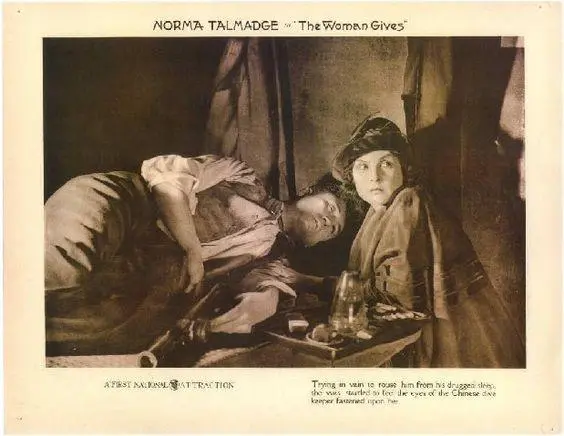
While deeply rooted in United States, The Woman Gives has achieved a global reach, influencing directors from various backgrounds. Its ability to translate Drama tropes into a universal cinematic language is why it remains a cult staple decades after its 1920 release.
| Cinematography | Deep Focus |
| Soundtrack | Orchestral |
| Editing | Slow-Burn |
| Art Direction | Brutalist |
Visualizing the convergence of Roy William Neill's style and the core Drama narrative.
Inga Sonderson an artist model and her sweetheart, sculptor Robert Milton, win recognition through the efforts of Daniel Garford, an artist of international fame. One day, upon returning home to find his wife in the arms of another man, Garford becomes so despondent that he loses all interest in his work and turns to opium for comfort. Inga, seeking to redeem her patron, follows him into the opium dens and brings him home. Meanwhile, Milton, seeing his sweetheart return late at night with Garford, misunderstands and in a jealous rage breaks his engagement. Under Inga's care, Garford gradually begins to reform and, regaining his reputation, asks her to marry him. Milton, grief-stricken that his love is wed to another, is about to leave the city when Inga appears and announces that she is planning to marry the man she loves, Milton.
Decades after its release, The Woman Gives remains a vital piece of the cinematic puzzle. Its influence can be seen in countless modern works, solidifying Roy William Neill's status as a master of the craft in United States and beyond.