
DbcultAccessing Vault...
Director's Spotlight
Senior Film Conservator
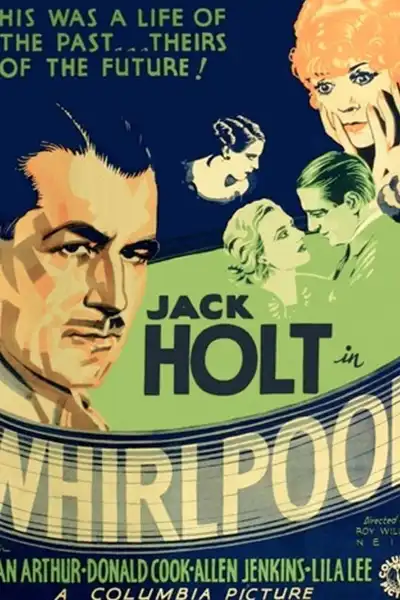
Director's Spotlight: United States
A Deep Dive into the 1934 Vision of Roy William Neill
As a cultural artifact of the 1934s, Whirlpool provides the global recognition that Roy William Neill garnered after the release of Whirlpool. Elevating the source material through Roy William Neill's unique vision, it solidifies Roy William Neill's reputation as a master of the craft.
In Whirlpool, Roy William Neill pushes the boundaries of conventional narrative. The film's unique approach to its subject matter has sparked endless debates and interpretations among cinephiles and critics alike.
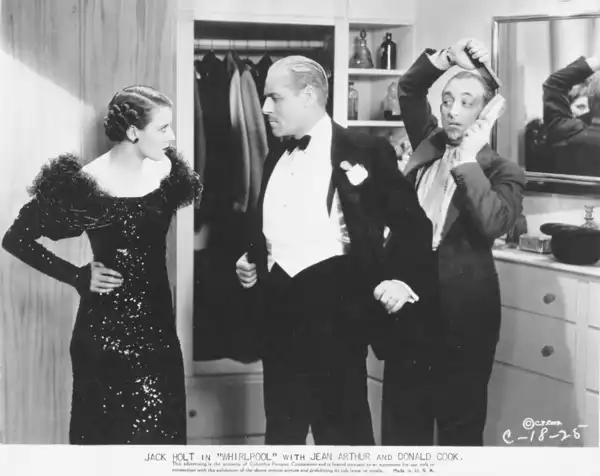
While deeply rooted in United States, Whirlpool has achieved a global reach, influencing directors from various backgrounds. Its ability to translate Romance tropes into a universal cinematic language is why it remains a cult staple decades after its 1934 release.
| Cinematography | Deep Focus |
| Soundtrack | Diegetic |
| Editing | Elliptical |
| Art Direction | Expressionist |
Visualizing the convergence of Roy William Neill's style and the core Romance narrative.
Carnie owner Buck Rankin marries local girl Helen and plans to go straight, but after a brawl ends up with a twenty-year sentence for manslaughter. When a pregnant Helen vows to wait for him Rankin forges a letter from the warden's office informing Helen that Rankin drowned while attempting to escape. Twenty years later Rankin is released from prison, changes his name to "Duke Sheldon", and eventually becomes a nightclub owner with ties to the mob. Helen has remarried - to a local judge - and daughter Sandra has become a reporter. When it's learned that notoriously camera-shy "Duke Sheldon" will be providing a mobster's alibi at a high-profile trial Sandra is sent to write an exposé. She immediately recognizes Rankin from a photo her mother kept, and father and daughter have a tearful reunion. Now Rankin must decide what to do: testify at the trial, revealing his identity and exposing Helen as an unintentional bigamist. Or refuse to testify, protecting Helen and Sandra but angering the mob.
Decades after its release, Whirlpool remains a vital piece of the cinematic puzzle. Its influence can be seen in countless modern works, solidifying Roy William Neill's status as a master of the craft in United States and beyond.