
DbcultAccessing Vault...
Director's Spotlight
Senior Film Conservator
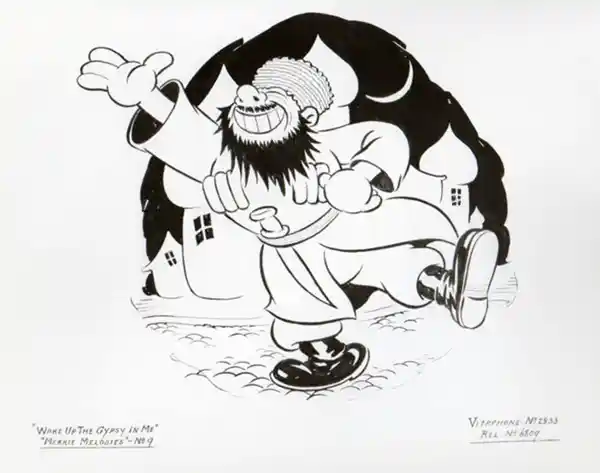
Director's Spotlight: United States
A Deep Dive into the 1933 Vision of Rudolf Ising
Deciphering the layers of Wake Up the Gypsy in Me (1933) reveals a monumental shift in Animation filmmaking spearheaded by Rudolf Ising. With its avant-garde structure and atmospheric tension, offering layers of thematic complexity that demand repeated viewing.
In Wake Up the Gypsy in Me, Rudolf Ising pushes the boundaries of conventional narrative. The film's unique approach to its subject matter has sparked endless debates and interpretations among cinephiles and critics alike.
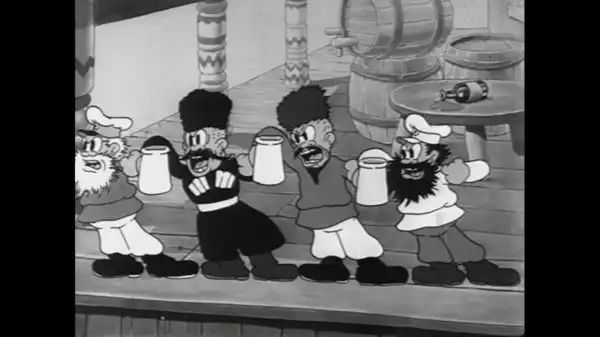
To fully appreciate Wake Up the Gypsy in Me, one must consider the cinematic climate of 1933. During this period, United States was undergoing significant artistic shifts, and Rudolf Ising was at the forefront of this Animation movement, often challenging established norms.
| Cinematography | High-Contrast |
| Soundtrack | Diegetic |
| Editing | Rhythmic |
| Art Direction | Naturalist |
Visualizing the convergence of Rudolf Ising's style and the core Animation narrative.
A camp of Russian gypsies, dancing and playing music. After an opening dance, a quartet of beer-drinkers gargles the Volga Boatman song, then another group hauling on a rope sings it (we finally see that the other end of the rope is anchored by a very small dog). A trench-coated bomber sneaks into the palace, where we see Rice-Puddin', the mad monk, cheating at a jigsaw puzzle. He spies the activity in the gypsy camp and orders a henchman to fetch the gypsy girl. The villagers revolt as a result, sending The Mad Monk scrambling on his horse; they stuff a bomb into his pants just as he turns his horse into a helicopter, and it explodes.
Decades after its release, Wake Up the Gypsy in Me remains a vital piece of the cinematic puzzle. Its influence can be seen in countless modern works, solidifying Rudolf Ising's status as a master of the craft in United States and beyond.