
DbcultAccessing Vault...
Director's Spotlight
Senior Film Conservator
Director's Spotlight: United States
A Deep Dive into the 1916 Vision of Rupert Julian
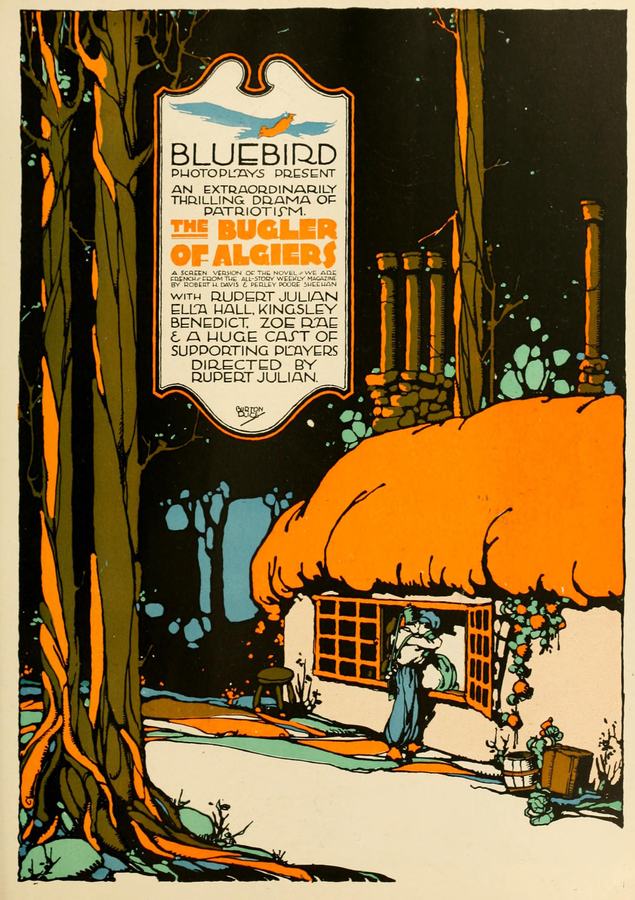
As we revisit the 1916 masterpiece The Bugler of Algiers, we are struck by the meticulous attention to detail that Rupert Julian applied to every frame. Anchored by a narrative that is both personal and universal, it bridges the gap between traditional cult and contemporary vision.
In The Bugler of Algiers, Rupert Julian pushes the boundaries of conventional narrative. The film's unique approach to its subject matter has sparked endless debates and interpretations among cinephiles and critics alike.
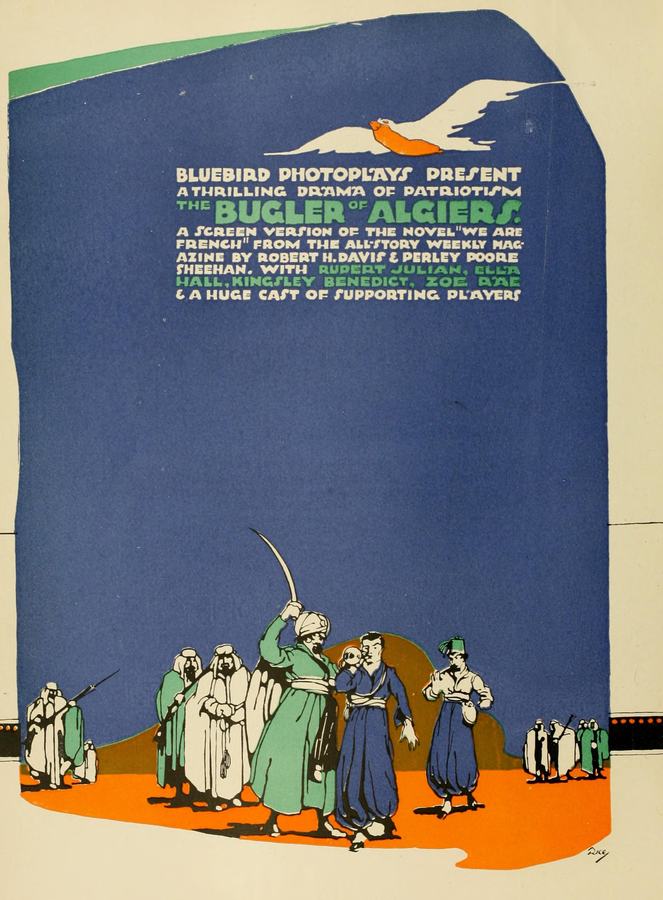
While deeply rooted in United States, The Bugler of Algiers has achieved a global reach, influencing directors from various backgrounds. Its ability to translate cult tropes into a universal cinematic language is why it remains a cult staple decades after its 1916 release.
| Cinematography | Handheld |
| Soundtrack | Diegetic |
| Editing | Elliptical |
| Art Direction | Expressionist |
Visualizing the convergence of Rupert Julian's style and the core cult narrative.
In a little town in France live orphan siblings Gabrielle and Anatole Picard. Gabrielle has been a mother to her brother since their own mother died and they are devoted to each other. Their friend is Pierre Dupont, who is in love with Gabrielle. When the call comes to fight for France, the two men join the colors. Gabrielle promises Pierre that if he will watch out for her brother that she will marry him upon his return. In the field, Anatole becomes the bugler of the regiment and during one of the skirmishes he and Pierre become separated from the main division of the army and with them, Peppy, the drummer boy, who dies. So it is that the report comes to the village that the two men are dead. Later the invading army reaches the village. They enter the cottage of Gabrielle and order her to serve them with drinks, which she does, but when they order her to drink a toast against France, she throws the liquor in the officers' face. Years elapse and Anatole and Pierre return to the village. No one knows of Gabrielle's whereabouts, as she was last seen when the invading army entered the village. Their search is fruitless. At last they settled down in the rebuilt cottage. But never does Pierre lose an opportunity to recount the valor of Anatole when the commander of the foe ordered him to give the bugle call for retreat with the promise that he would be spared and instead Anatole had given the call to charge. Thus the enemy was routed. Dissard, an officer of the French government, is at the head of a committee to bestow honors upon those who have done brave deeds. It so happens that the reception which he has planned for a certain officer will have to be abandoned, owing to the hero's death, unless Dissard can find some other one to take his place. The records are searched and it is decided to decorate Anatole Picard. Accordingly he is sent for. Pierre and Anatole decide to march to Paris in spite of the protest of the villagers, but just as they are at the gates of Paris, Anatole becomes so weak that he cannot go further and dies in a peasant's cabin. Pierre goes on alone and receives the decoration from the President and makes a speech which wins the hearts of his audience. He tells them of Gabrielle and the part she had had in making a hero of Anatole, spectators thinking that Pierre is Anatole. Much to his surprise, Gabrielle, now an old woman, enters the banquet room and the two are united. On their way back to the village, she asks where her brother is and Pierre promises to take her to him. They go to the little peasant cabin where Pierre left Anatole and shrouded in the flag of France. Then Pierre decorates the body with the cross which he received for Anatole, as he never intended keeping the honor for himself.
Decades after its release, The Bugler of Algiers remains a vital piece of the cinematic puzzle. Its influence can be seen in countless modern works, solidifying Rupert Julian's status as a master of the craft in United States and beyond.