
DbcultAccessing Vault...
Director's Spotlight
Senior Film Conservator
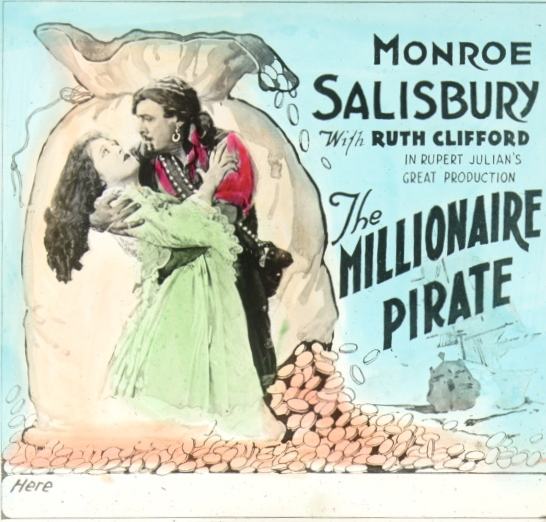
Director's Spotlight: United States
A Deep Dive into the 1919 Vision of Rupert Julian
Deciphering the layers of The Millionaire Pirate (1919) reveals the complex thematic architecture established by Rupert Julian. Utilizing a 1919-specific aesthetic that remains timeless, it stands as the definitive 1919 statement on cult identity.
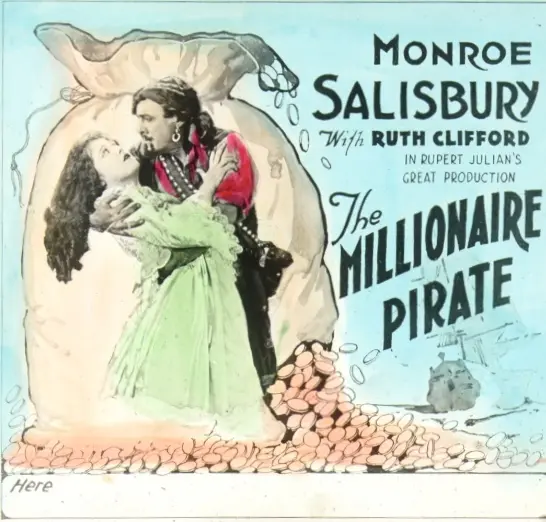
In The Millionaire Pirate, Rupert Julian pushes the boundaries of conventional narrative. The film's unique approach to its subject matter has sparked endless debates and interpretations among cinephiles and critics alike.
| Cinematography | Static |
| Soundtrack | Synth-Heavy |
| Editing | Disjunctive |
| Art Direction | Baroque |
Visualizing the convergence of Rupert Julian's style and the core cult narrative.
In modern times Paul Winthrop visits an island and paints a picture of Joe, a picturesque pearl diver. He dresses him in pirate garb and when the picture is done Joe cannot take his eyes from it. The two men instinctively recognize each other. Joe is another Jean Lafitte, Paul is his antagonist of the years before. Later Joe stumbles across a case of pirate treasure buried along the shore. By a plate on the box he reads the name of the one-time owner, Jean Lafitte. With this treasure he is enabled to visit the United States, where in New York he again finds Paul Winthrop. Paul is in love with Lily Demorest, but her parents have signified their desire that she marry Robert Spurr, a millionaire. Joe is immediately attracted to her and decides to kidnap her. First his motive is charitable. He intends turning her over to Paul, who is timid about such action himself. Then he decides to keep her for himself, but Lily cries out for Paul and then to the pirate descendant dawns the true meaning of the curse fastened on his ancestor by the woman he coveted. So he returns her to Paul, and though it is difficult he finds some happiness in the thought of their reunion.
Decades after its release, The Millionaire Pirate remains a vital piece of the cinematic puzzle. Its influence can be seen in countless modern works, solidifying Rupert Julian's status as a master of the craft in United States and beyond.