
DbcultAccessing Vault...
Director's Spotlight
Senior Film Conservator
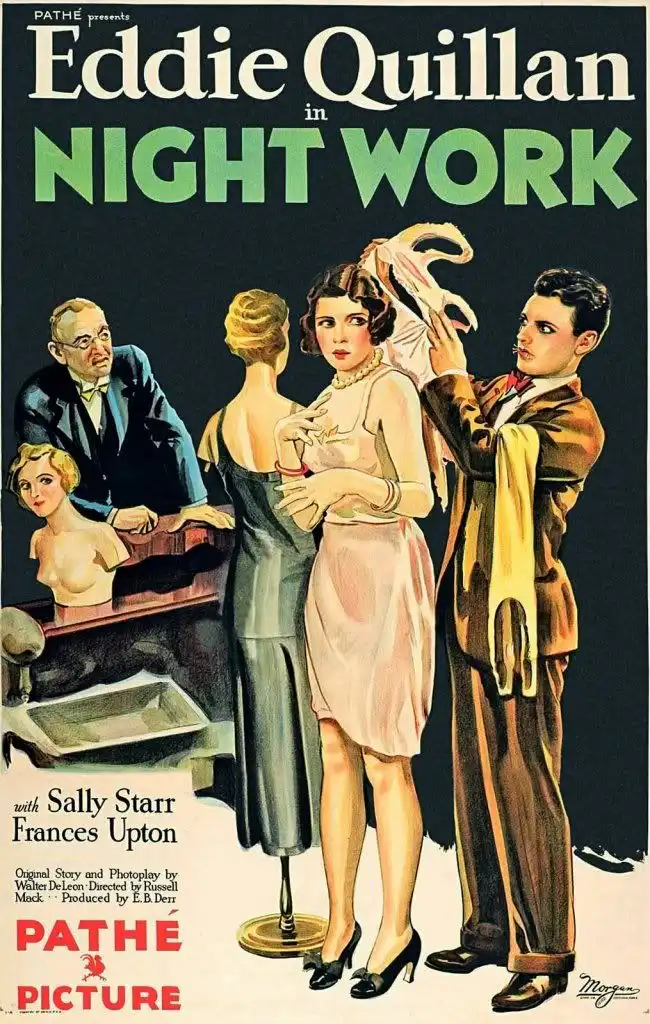
Director's Spotlight: United States
A Deep Dive into the 1930 Vision of Russell Mack
In the storied career of Russell Mack, Night Work stands as a the provocative questions that Russell Mack poses to the United States audience. Elevating the source material through Russell Mack's unique vision, it persists as a haunting reminder of our own cinematic history.
In Night Work, Russell Mack pushes the boundaries of conventional narrative. The film's unique approach to its subject matter has sparked endless debates and interpretations among cinephiles and critics alike.
To fully appreciate Night Work, one must consider the cinematic climate of 1930. During this period, United States was undergoing significant artistic shifts, and Russell Mack was at the forefront of this Comedy movement, often challenging established norms.
| Cinematography | Static |
| Soundtrack | Orchestral |
| Editing | Invisible |
| Art Direction | Kitsch |
Visualizing the convergence of Russell Mack's style and the core Comedy narrative.
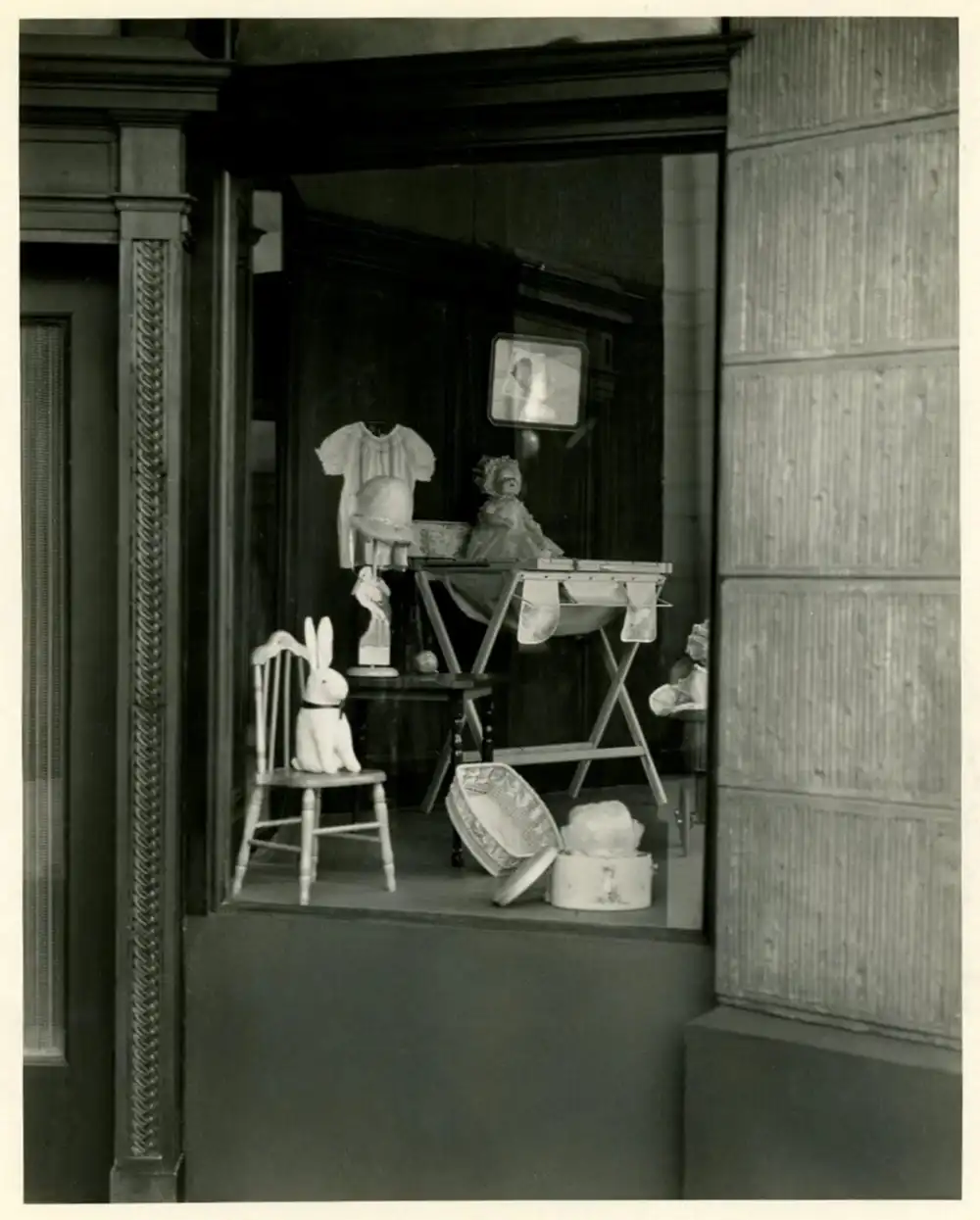
As assistant window-dresser, Willie is the lowest man on the totem pole at a department store. To add insult to injury, he is also the store's designated "Fired Man": when a disgruntled customer demands that somebody-must-be-fired, Willie is summoned and summarily fired, only to be rehired once the now-satisfied customer has departed. Willie inadvertently adopts a 4-year-old orphan at a cost of $10-a-week, and things go from bad to worse since Willie doesn't make $10-a-week. But with help from beautiful young nurse Mary, Willie manages to turn some corners and improve his lot in life--with some skids along the way.
Decades after its release, Night Work remains a vital piece of the cinematic puzzle. Its influence can be seen in countless modern works, solidifying Russell Mack's status as a master of the craft in United States and beyond.