
DbcultAccessing Vault...
Director's Spotlight
Senior Film Conservator
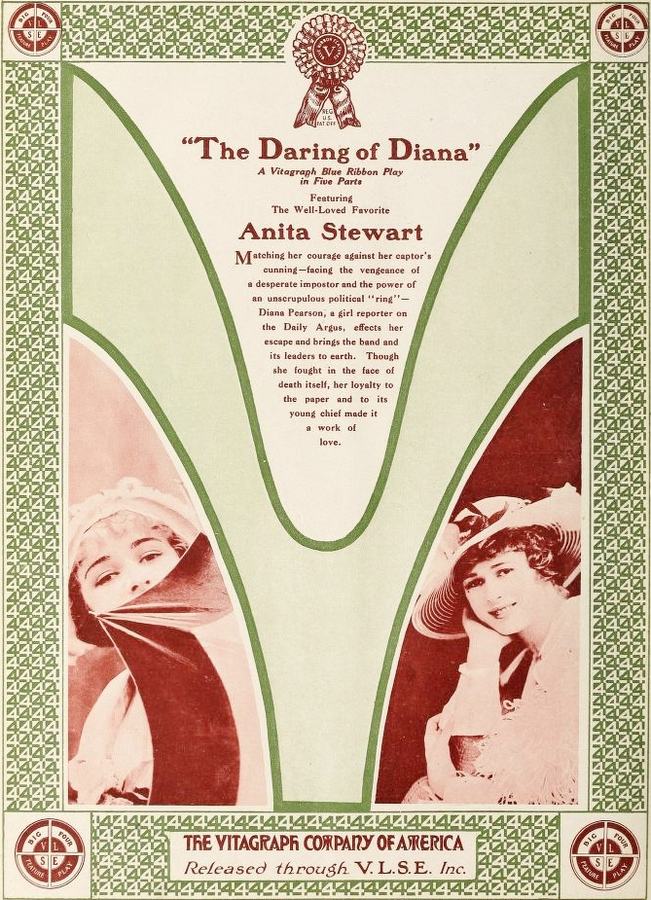
Director's Spotlight: United States
A Deep Dive into the 1916 Vision of S. Rankin Drew
To understand the modern evolution of United States film, one must first look at The Daring of Diana and the meticulous attention to detail that S. Rankin Drew applied to every frame. Reflecting the political and social shifts of the 1916s, it showcases the power of cult as a tool for social commentary.
In The Daring of Diana, S. Rankin Drew pushes the boundaries of conventional narrative. The film's unique approach to its subject matter has sparked endless debates and interpretations among cinephiles and critics alike.
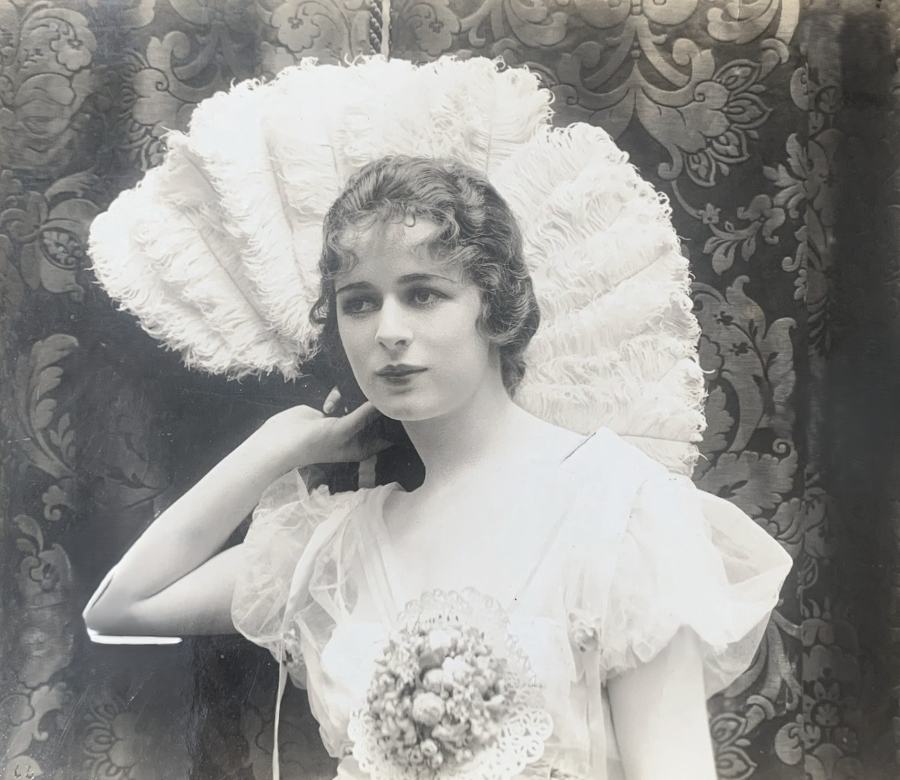
The visual language of The Daring of Diana is defined by its use of shadows and framing, a hallmark of S. Rankin Drew's style. By utilizing a 1916-era palette, the film creates an immersive experience that perfectly complements its cult themes.
| Cinematography | Static |
| Soundtrack | Diegetic |
| Editing | Rhythmic |
| Art Direction | Naturalist |
Visualizing the convergence of S. Rankin Drew's style and the core cult narrative.
Twenty-five years before the story opens, Jason Brisco, owner of the Daily Argus, became embittered by the death of his wife, whose life was snubbed out as her child was born. In his anguish he seeks consolation in travel. After all these years Briscoe's son, John, is editor of the Argus and has won a reputation for absolute honesty. He receives a telegram from Paris telling him to prepare to receive his father, who is coming on the next boat. The days drag for John, who is impatient to get a glimpse of the father he has never seen, but when he arrives John is disappointed. The man does not measure up to the strong, honest character with which John invested his father; his face is cunning, his eyes shifty. Just before the arrival of his father John had been honored by a visit from the leaders of a certain political faction who came to buy the support of the Argus, but who went away with sad faces. Hearing of the return of the elder Briscoe, they return once more, determined to buy either the support of the Argus or the paper itself. In Jason Briscoe they find a man to their liking, for, although he will not sell his support, he is eager to bargain for the sale of the paper. Despite John's protests arrangements are made, and the signature of Jason Briscoe to the documents is all that is now required. In fond anticipation of the large purchase price, Briscoe is about to affix his signature to the bill of sale, when the door is thrown open unceremoniously and Diana Pearson, star reporter of the Argus, enters and commands the attention of all those present. Recognizing her and terrified at her appearance at this inopportune moment, Briscoe jumps from his chair and tries to escape, but runs right into the arms of a waiting policeman, who brings him back and forces him to listen to Diana's tale. After the arrival of Jason Briscoe from Paris Diana had seen a woman following his automobile, and thought it worth her while to investigate the cause. On reaching Briscoe's house she heard a loud report, and entering found the woman on the floor, shot. Diana attempted to leave the house to summon aid, but was detained and thrown into a cellar with the other woman by "Briscoe" and his valet. Here, when she regained consciousness, the woman told Diana of how the man who is posing as Briscoe had trapped the real Briscoe in Paris and left him in the care of an Apache on the outskirts of the city. His real name, she said, is Stange, and he is one whom she has ample reason to hate. Diana was horrified by the story, but she realized her helplessness; she was unable to prevent the sale of the paper. Then she thought of a plan, and made Stange her innocent accomplice. Unknowingly he carried word of her plight to the Argus office with him, and one of the reporters started out immediately with a number of policemen to her rescue. After her release Diana rushed straight to the office where she was fortunate in arriving in time to prevent the illegal sale. Seeing that all is known, Stange makes a frantic attempt to escape from his captors, but is shot to death in the struggle. Two weeks later a cable to the Prefect of Police in Paris has secured the release of Briscoe from the Apache's den, and in the office of the Argus he is introduced to his future daughter-in-law, Diana Pearson, reporter.
Decades after its release, The Daring of Diana remains a vital piece of the cinematic puzzle. Its influence can be seen in countless modern works, solidifying S. Rankin Drew's status as a master of the craft in United States and beyond.