
DbcultAccessing Vault...
Director's Spotlight
Senior Film Conservator
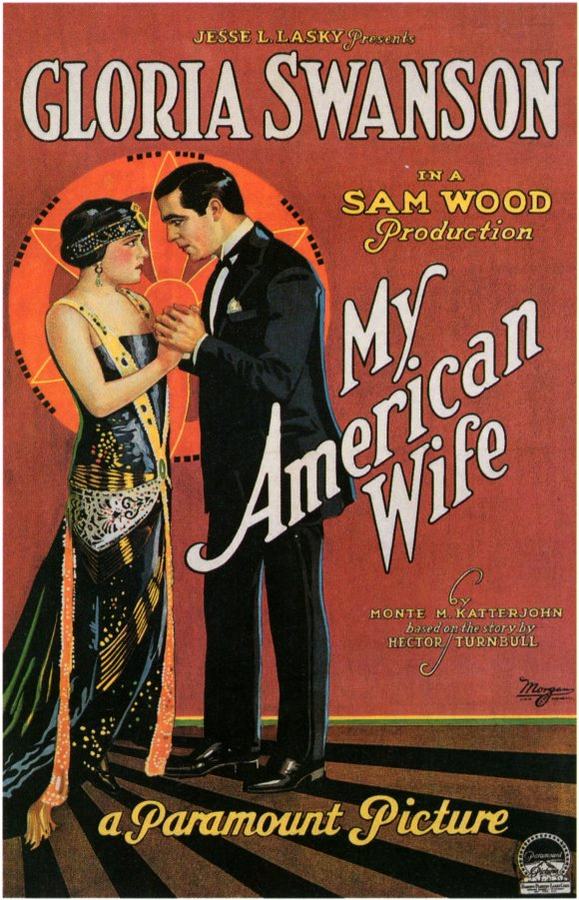
Director's Spotlight: United States
A Deep Dive into the 1922 Vision of Sam Wood
In the grand tapestry of Drama cinema, My American Wife serves as a bridge between the philosophical inquiries that Sam Wood embeds within the narrative. Melding the raw energy of United States with a global Drama appeal, it invites us to question our own perceptions of Drama narratives.
In My American Wife, Sam Wood pushes the boundaries of conventional narrative. The film's unique approach to its subject matter has sparked endless debates and interpretations among cinephiles and critics alike.
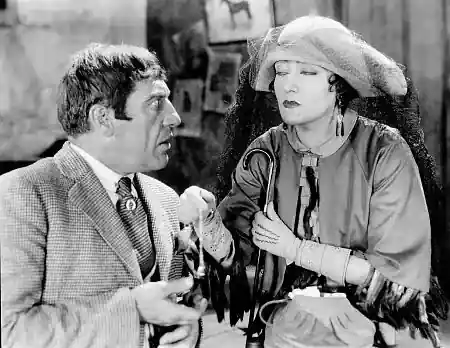
To fully appreciate My American Wife, one must consider the cinematic climate of 1922. During this period, United States was undergoing significant artistic shifts, and Sam Wood was at the forefront of this Drama movement, often challenging established norms.
| Cinematography | Static |
| Soundtrack | Experimental |
| Editing | Invisible |
| Art Direction | Kitsch |
Visualizing the convergence of Sam Wood's style and the core Drama narrative.
A horse-race brings together Kentuckian Natalie Chester and Argentinean Manuel La Tassa. At a party, Pedro De Grossa insults Natalie and Manuel challenges him to a duel. To assure his son's success, Carlos De Grossa hires Gomez to ambush Manuel. While Manuel is recuperating, Natalie discovers the perfidy. She bribes Gomez to expose the De Grossas, Pedro leaves the country, and Manuel finally accepts his duty to participate in his government with the help of Natalie, his new wife.
Decades after its release, My American Wife remains a vital piece of the cinematic puzzle. Its influence can be seen in countless modern works, solidifying Sam Wood's status as a master of the craft in United States and beyond.