
DbcultAccessing Vault...
Director's Spotlight
Senior Film Conservator
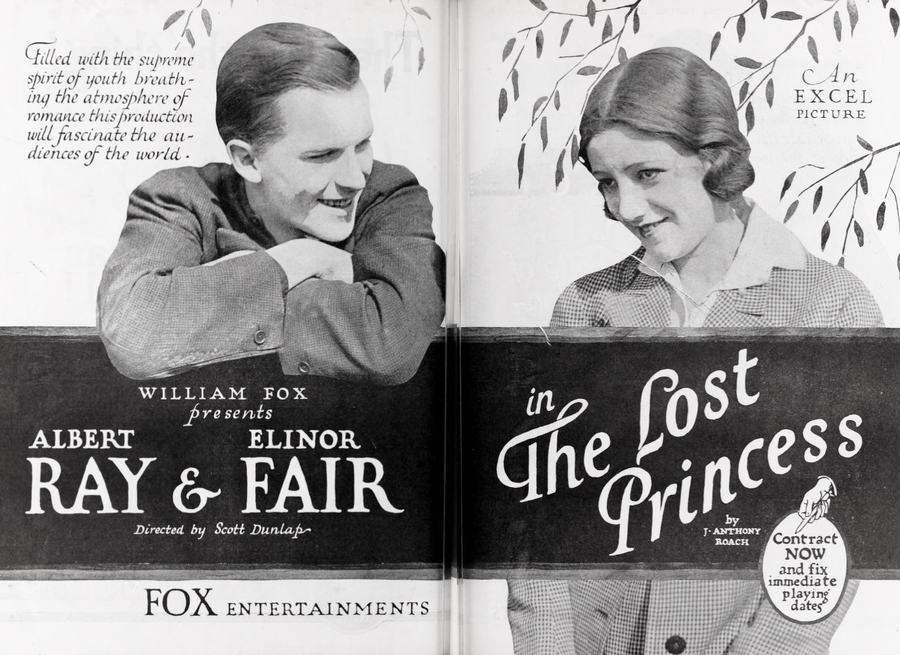
Director's Spotlight: United States
A Deep Dive into the 1919 Vision of Scott R. Dunlap
The brilliance of The Lost Princess (1919) is inseparable from a monumental shift in cult filmmaking spearheaded by Scott R. Dunlap. Occupying a unique space between cult and pure art, it serves as a blueprint for future generations of cult directors.
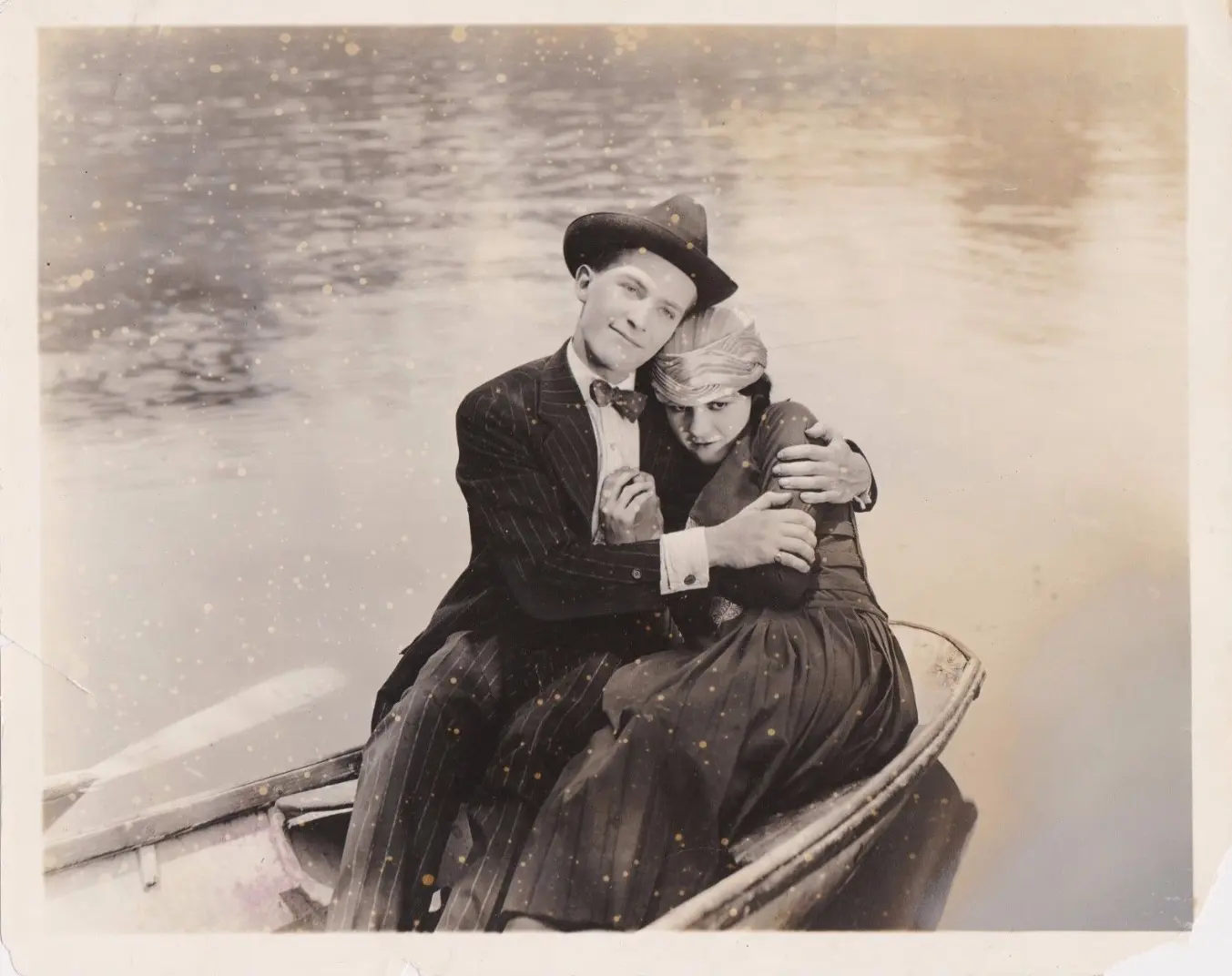
In The Lost Princess, Scott R. Dunlap pushes the boundaries of conventional narrative. The film's unique approach to its subject matter has sparked endless debates and interpretations among cinephiles and critics alike.
| Cinematography | Deep Focus |
| Soundtrack | Diegetic |
| Editing | Rhythmic |
| Art Direction | Naturalist |
Visualizing the convergence of Scott R. Dunlap's style and the core cult narrative.
Samuel Blevins, Jr.'s farm work suffers while he pursues a correspondence course on newspaper reporting. After he leaves the family farm and goes to the city, editors all turn him down until Ethel Williams, the author of the "Advice to the Lovelorn" column, who helps him with his style, recommends him to her managing editor. The Sunday Magazine editor, who loves Elinor, tries to ruin Sam's career by giving him the difficult task of writing a feature article. When Sam fails to think of a good story, Ethel, who now loves him, tells of the lost Princess Marie of Burvania, who is hiding in the United States. Sam's story causes the Archduke of Burvania to search for Marie, who is really Ethel, and after she is persuaded to return, Sam rescues her from a trap. He awakens to discovers that the story is a dream, writes another which is a success, and finds happiness with Ethel.
Decades after its release, The Lost Princess remains a vital piece of the cinematic puzzle. Its influence can be seen in countless modern works, solidifying Scott R. Dunlap's status as a master of the craft in United States and beyond.