
DbcultAccessing Vault...
Director's Spotlight
Senior Film Conservator
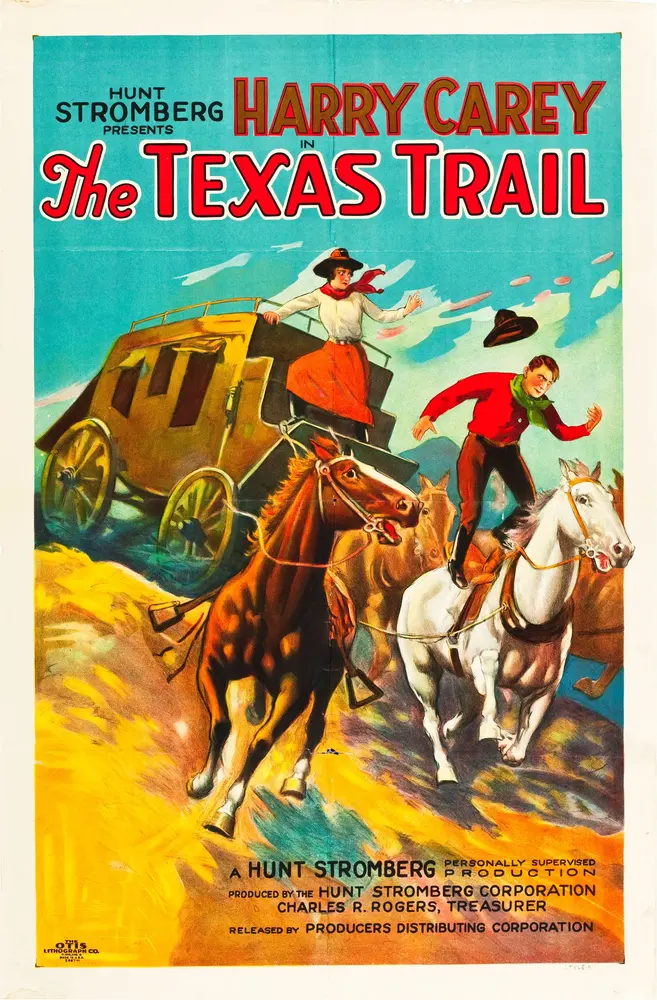
Director's Spotlight: United States
A Deep Dive into the 1925 Vision of Scott R. Dunlap
Few works in United States cinema carry the same weight as The Texas Trail, especially regarding the cultural zeitgeist captured so perfectly by Scott R. Dunlap in 1925. Utilizing a 1925-specific aesthetic that remains timeless, it serves as a blueprint for future generations of Western directors.
In The Texas Trail, Scott R. Dunlap pushes the boundaries of conventional narrative. The film's unique approach to its subject matter has sparked endless debates and interpretations among cinephiles and critics alike.
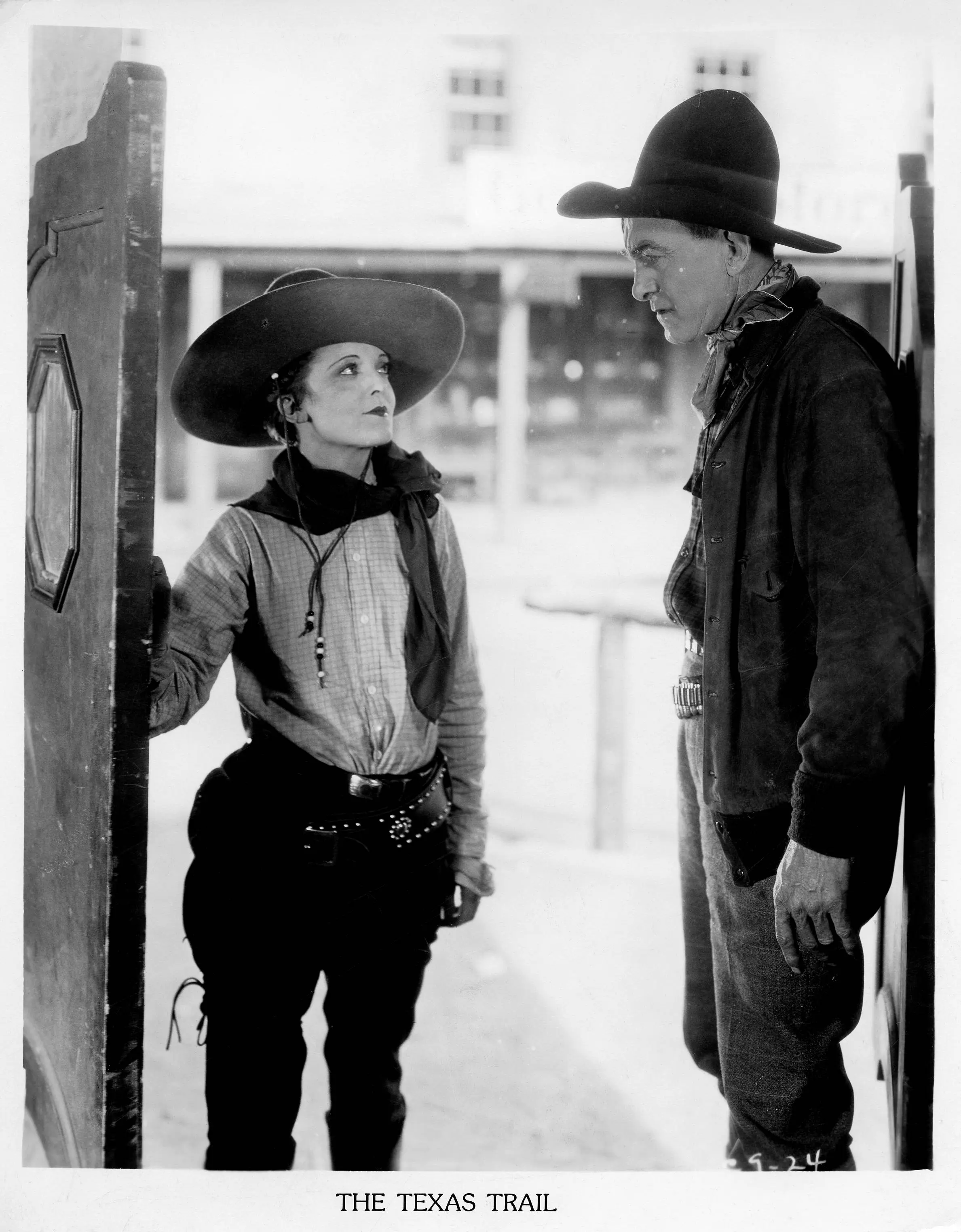
In this work, Scott R. Dunlap explores the intersection of Western and United States cultural identity. The meticulous attention to detail suggests a deep-seated commitment to pushing the boundaries of the medium, ensuring that The Texas Trail remains a relevant topic of study for Western enthusiasts.
| Cinematography | Static |
| Soundtrack | Synth-Heavy |
| Editing | Rhythmic |
| Art Direction | Naturalist |
Visualizing the convergence of Scott R. Dunlap's style and the core Western narrative.
Betty Foster comes west to visit her uncle's ranch, but is disappointed that the nearby town of War Whoop is quiet and peaceful, and none of the citizens look like the cowboy heroes she saw in Eastern cinemas. Things pick up, however, when Betty witnesses a robbery in which bandits rob $10,000 of her uncle's mortgage money from Pete Grainger, the ranch foreman. Appalled by Pete's lack of heroics during the robbery, Betty upbraids him, and the foreman quits. He finds employment in town as a sign painter. When one of the bandits, Dan Merrill, ships the stolen money in a box of dried apples, Pete accidentally spills paint on the box and starts a comedy of errors that prevents the box from leaving town. When Betty overhears the bandits discussing the location of the stolen money, she dresses up like a bandit and steals the paint-splashed crate of apples, but it turns out to be the wrong box. Pete eventually helps Betty find the money, and breaks her out of jail when she is arrested. Dan Merrill follows them into the hills, and Pete knocks him over a cliff during a fight. His heroics win Betty's heart, but what really captures her love is Pete's new outrageous mail-order cowboy costume, which fits her idea of what a Western hero should be.
Decades after its release, The Texas Trail remains a vital piece of the cinematic puzzle. Its influence can be seen in countless modern works, solidifying Scott R. Dunlap's status as a master of the craft in United States and beyond.